- Language
cat8 patch codes pass fluke
Cat8 Patch Cables Pass Fluke Testing: Key Points & Significance
When we say Cat8 patch cables pass Fluke testing, it means the cables meet the strict performance standards of the Cat8 Ethernet specification after being verified by Fluke Networks test equipment—the industry gold standard for cable certification.
1. What Fluke Testing Verifies for Cat8 Cables
Fluke testers (e.g., Fluke DSX-8000, DSX-5000) conduct a full set of electrical and physical performance tests on Cat8 SFTP patch cables, covering core indicators required by the TIA/EIA-568.2-D or ISO/IEC 11801-1 standards:
Insertion Loss (IL): Measures signal attenuation during transmission. Cat8 cables must maintain minimal loss at frequencies up to 2000 MHz to support 40Gbps transmission over 30 meters (patch cables are typically shorter, e.g., 2m, so loss is even lower).
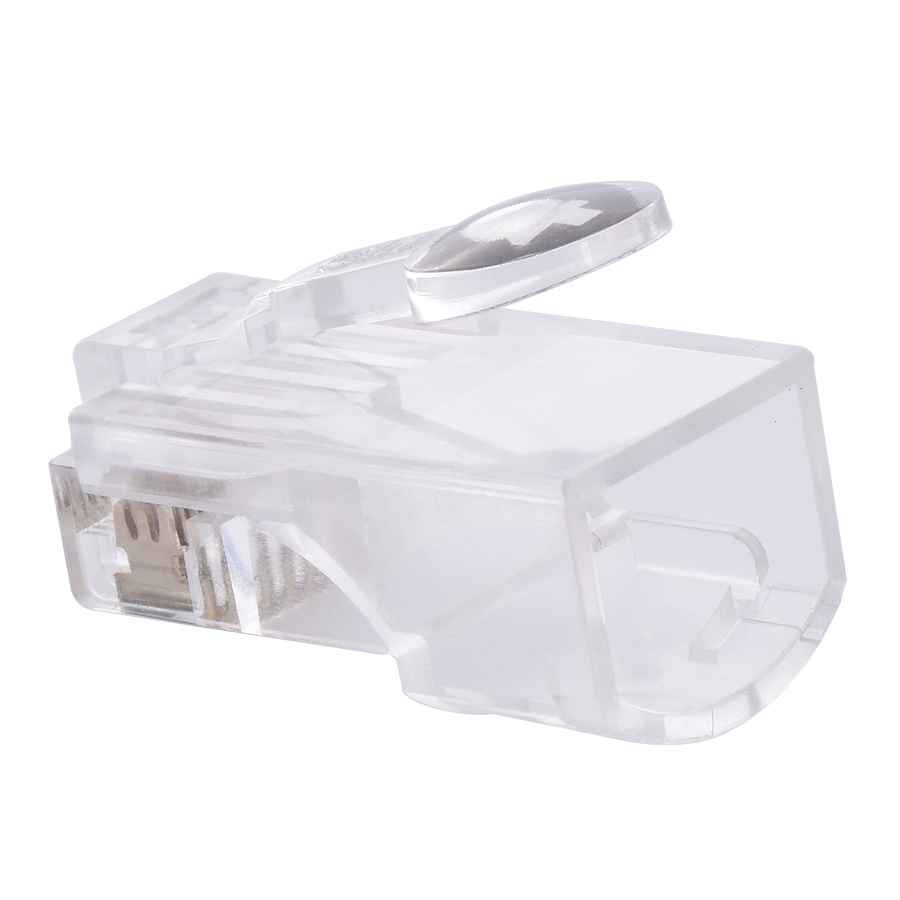
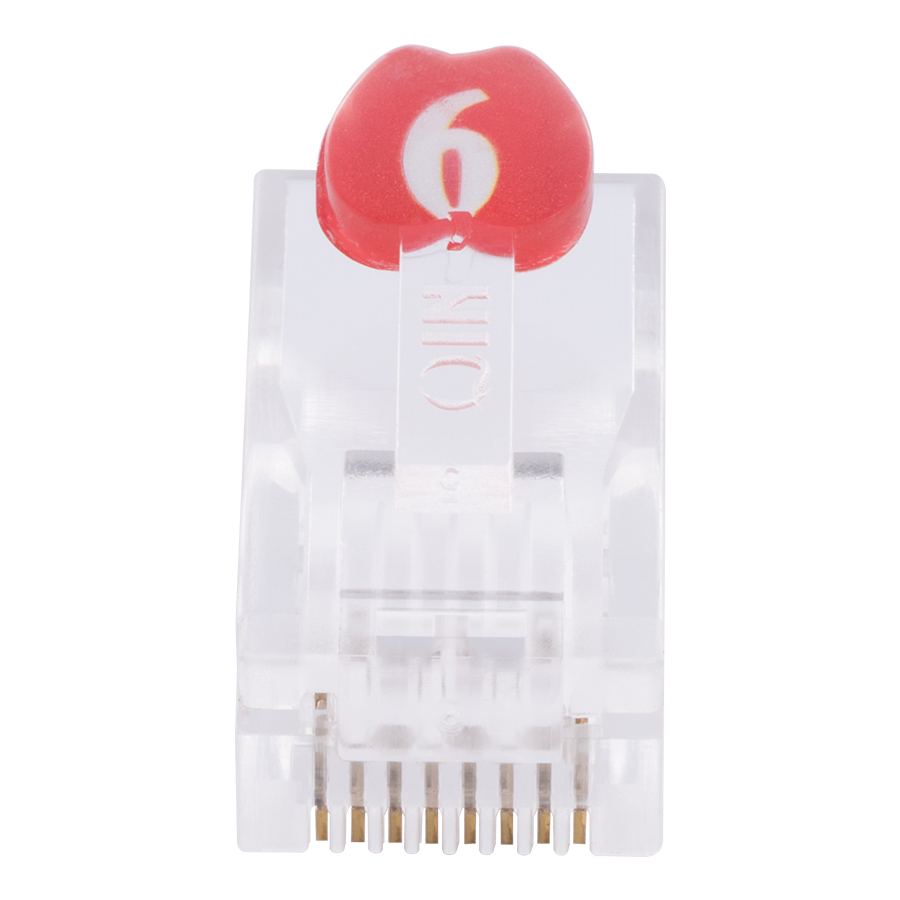
Return Loss (RL): Tests signal reflection at connectors and cable joints. Gold-plated RJ45 connectors (common in Cat8) reduce reflection and improve RL values.
Near-End Crosstalk (NEXT) & Far-End Crosstalk (FEXT): Critical for SFTP (double-shielded) cables. Verifies that the foil + braid shielding effectively blocks interference between twisted pairs, a core advantage of Cat8 over unshielded cables (e.g., Cat6a UTP).
Attenuation-to-Crosstalk Ratio (ACR): Combines IL and NEXT data to confirm the cable’s usable signal strength at high frequencies.
Shielding Effectiveness: Ensures the SFTP structure resists external electromagnetic interference (EMI) from power cables, servers, or industrial equipment.
Length & Delay Skew: Confirms the actual cable length matches the marked length (e.g., 2m) and that signal delay across different twisted pairs is consistent, avoiding data synchronization issues.
2. Why "Passing Fluke" Matters for Cat8 Patch Cables
Guaranteed Compliance: Only cables that pass Fluke certification can be labeled as genuine Cat8 and deliver the promised 40Gbps bandwidth. Non-certified "Cat8" cables often fail at high frequencies, leading to reduced speed or unstable connections.
Reliability for Critical Applications: For data centers, enterprise server rooms, or industrial automation networks, Fluke-tested Cat8 cables ensure zero downtime and consistent performance—critical for high-speed data transfer, cloud computing, or real-time IoT device communication.
Quality Assurance: Fluke testing validates the entire cable assembly, including the conductor (pure copper vs. copper-clad aluminum), shielding material, and connector craftsmanship. Pure copper conductors, for example, have lower resistance than CCA and are more likely to pass Fluke’s low-loss requirements.
3. Notes for Flame-Retardant Cat8 SFTP Patch Cables
Fluke testing focuses on electrical performance, while flame-retardant properties (e.g., LSZH or flame-retardant PVC jackets) are certified separately by standards like IEC 60332-1 (vertical flame test) or UL 94 V-0. A high-quality cable will pass both Fluke electrical testing and flame-retardant safety certification—essential for enclosed spaces like server racks or building wiring ducts where fire safety is a priority.
-
-
-
-
-
-
-
-
-
-

Media Converter Network Patch Cord
Jun 27, 2026904
-
Network Cable Bandwidth Capacity
Jul 06, 2026895
-
UY2 Connector for Telephone Wire
Jul 08, 2026892
-
Wall-mounted Network Cabinet
Jun 30, 2026878
-
Four-Port Network Faceplate
Jul 03, 2026875