- Language
engineering grade cat6 patch leads pass fluke test
In formal engineering projects such as commercial building weak current engineering, data center wiring, park structured cabling, dedicated networks for hospitals and campuses, and supporting network systems for rail transit, network cables need to meet dual requirements: stable gigabit and 10-gigabit network transmission, as well as strict fire retardant specifications for construction sites. Only cables meeting both standards can pass official supervision and acceptance smoothly. Currently, two common hidden risks exist in the engineering cabling market. The first one is ordinary civilian Cat6 patch leads with qualified basic transmission performance but flammable ordinary PVC outer sheaths without flame retardant function. They will accelerate fire spread once short circuit or overheating occurs in densely arranged cabinets, failing to meet mandatory engineering fire protection standards. The second one is ordinary flame retardant network cables with basic self-extinguishing function but degraded electrical performance. Excessive crosstalk and severe signal attenuation make them unable to pass mandatory Fluke link acceptance tests. Both types of cables cannot meet the integrated dual acceptance requirements of standard engineering projects, resulting in frequent rework and unqualified acceptance documents during construction. To satisfy the dual acceptance demands of network communication and fire protection for engineering cabling, engineering grade cat6 patch leads pass fluke test are launched as professional engineering-grade flame retardant patch leads. They combine high-standard engineering flame retardant safety performance and full-item Fluke-qualified transmission performance, passing both fire protection acceptance and network link acceptance at one time, serving as fully compliant wiring cables exclusive for large-scale engineering projects.
Different from civilian flame retardant network cables, these engineering-grade patch leads adopt national standard halogen-free low-smoke flame retardant outer sheaths specially customized for engineering construction, fully complying with domestic fire acceptance codes for structured cabling projects. Compared with civilian flame retardant cables, they own three core upgraded performances: high temperature resistance, open fire resistance and low smoke & non-toxicity. They can withstand long-term high temperature up to 85℃ in closed cabinets, resisting sheath softening, deformation and short circuit caused by continuous heat from cabinet equipment, accumulated heat in closed wire grooves and full-load line heating. When exposed to open fire, the cables will not drop burning molten particles or ignite surrounding bundled cables, and extinguish fire immediately after leaving fire sources to prevent large-scale fire spread along cable trays and weak current pipelines. Meanwhile, they produce little smoke and no corrosive toxic gas during combustion, which will not block fire escape sight or damage precision network equipment such as switches and servers in computer rooms. They are perfectly suitable for engineering scenarios with dense personnel, valuable equipment and strict fire safety requirements.
Most engineering purchasers hold a wrong view that adding flame retardant materials will inevitably reduce internal cable space and damage network transmission performance. Most low-cost engineering flame retardant cables cut wire core diameter, simplify wire pair twisting pitch and cancel anti-crosstalk structures to control production costs. Although they can pass fire protection tests, they fail professional Fluke link tests with frequent test errors, becoming the biggest obstacle for engineering acceptance. However, engineering grade cat6 patch leads pass fluke test adhere to dual engineering-grade quality standards without sacrificing any transmission performance for flame retardant upgrading. Every finished cable passes full-item tests by professional Fluke DSX cable analyzers without batch sampling blind spots. Five core electrical indicators including near-end crosstalk, far-end crosstalk, return loss, insertion loss and attenuation-to-crosstalk ratio are all tested and fully compliant with international TIA/EIA and ISO engineering cabling standards.
Equipped with standard 23AWG full-diameter high-purity oxygen-free copper conductors for engineering use, these patch leads maintain constant qualified resistance without signal attenuation in long-distance wiring. With industrial precise symmetrical twisting pitch and built-in cross isolation frames, they effectively resist complex electromagnetic interference generated by frequency converters, high-voltage power lines and large mechanical equipment on construction sites, solving signal interference problems caused by mixed layout of strong current and weak current cables in buildings. Supporting stable standard 250MHz Cat6 bandwidth, they provide full-speed gigabit transmission and compatible 10GBASE-T 10-gigabit transmission under short-distance links. They can operate stably for 7*24 hours uninterruptedly under high-load working conditions, including engineering high-definition monitoring networking, building video intercom, large internal network data interaction and concurrent PoE power supply for multiple devices, with zero packet loss and stable network latency.
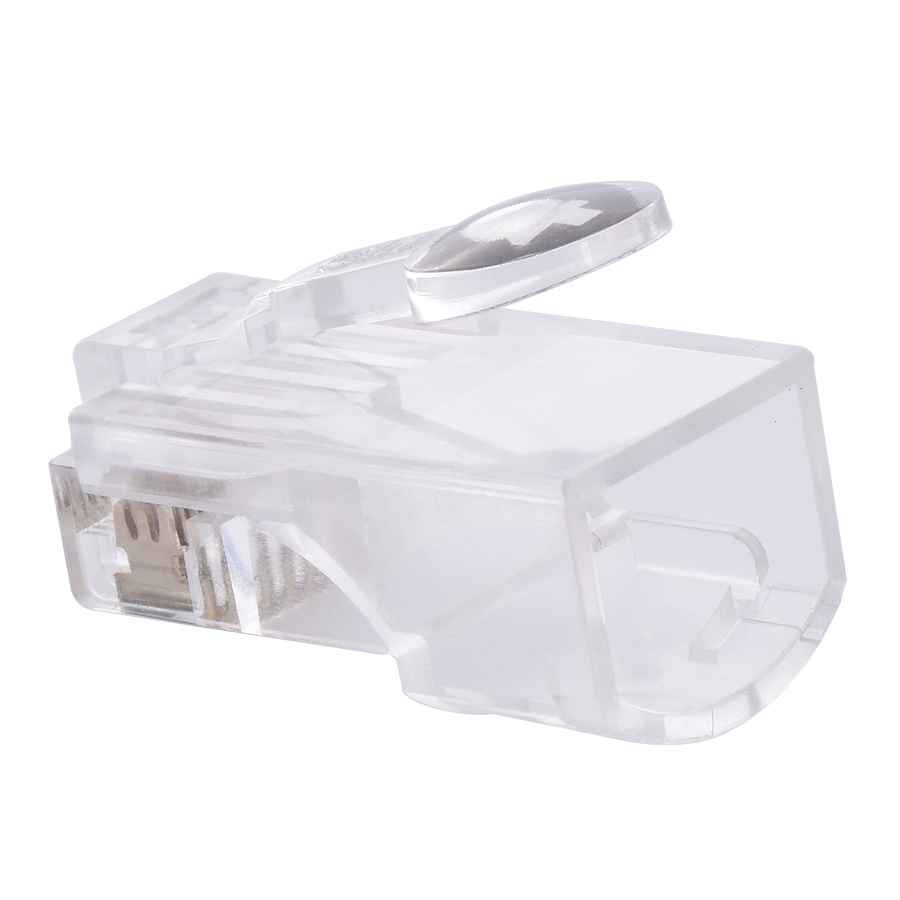
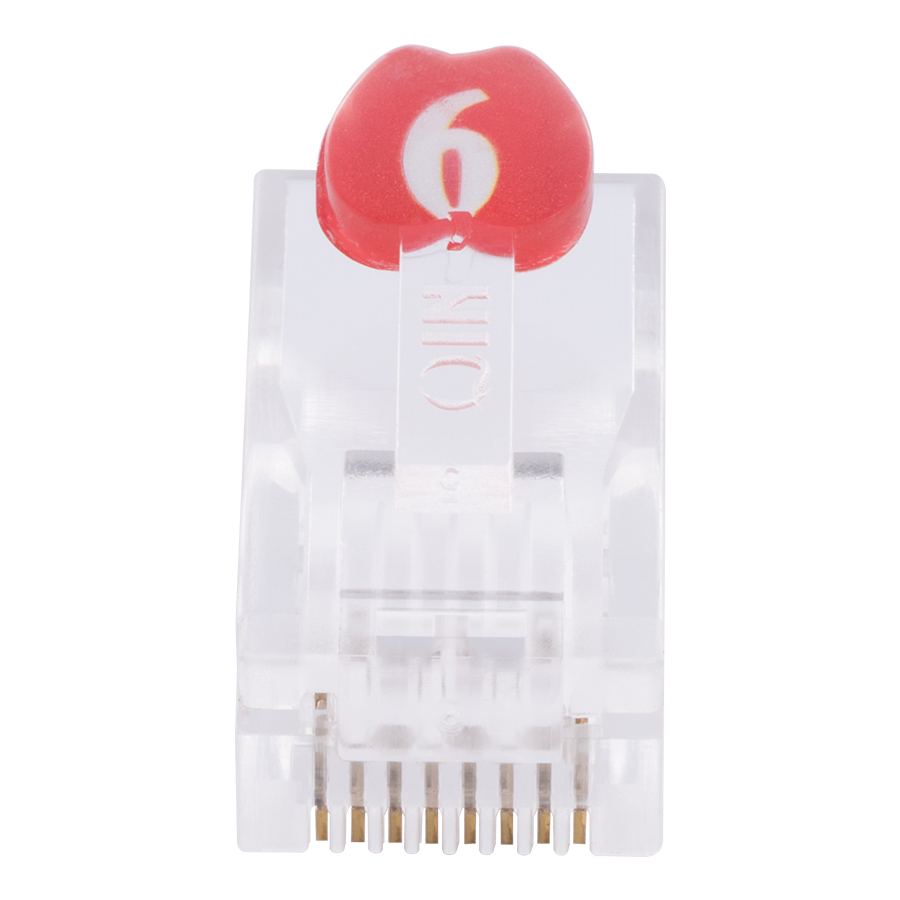
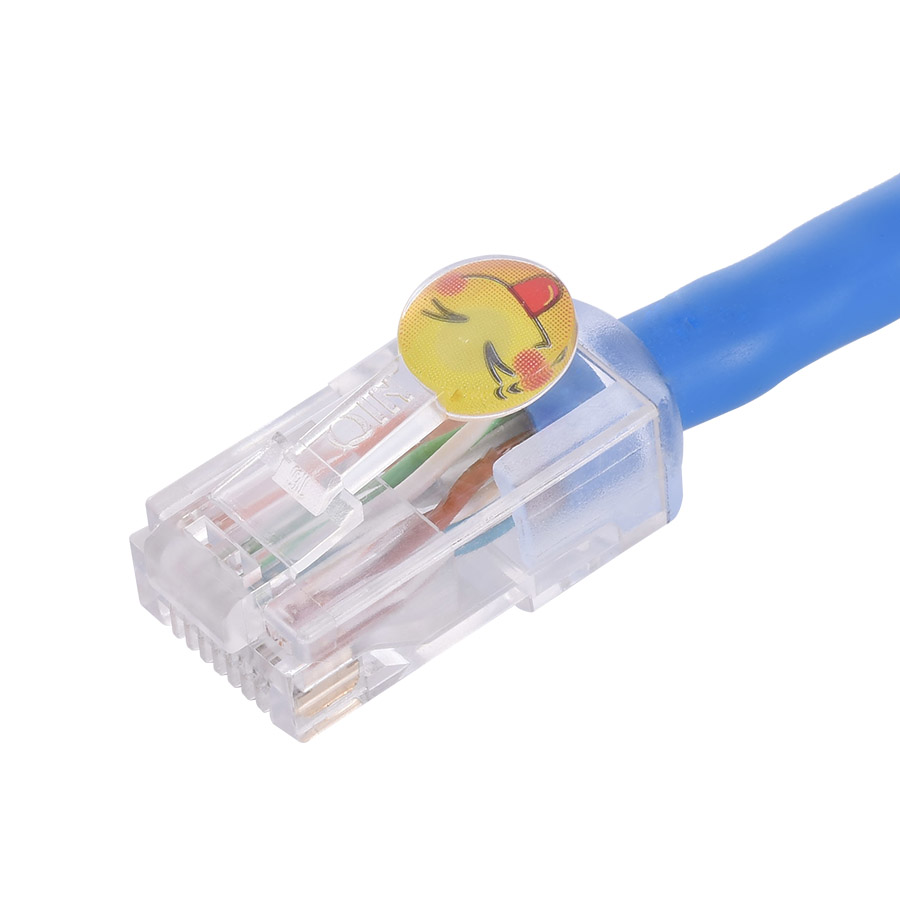
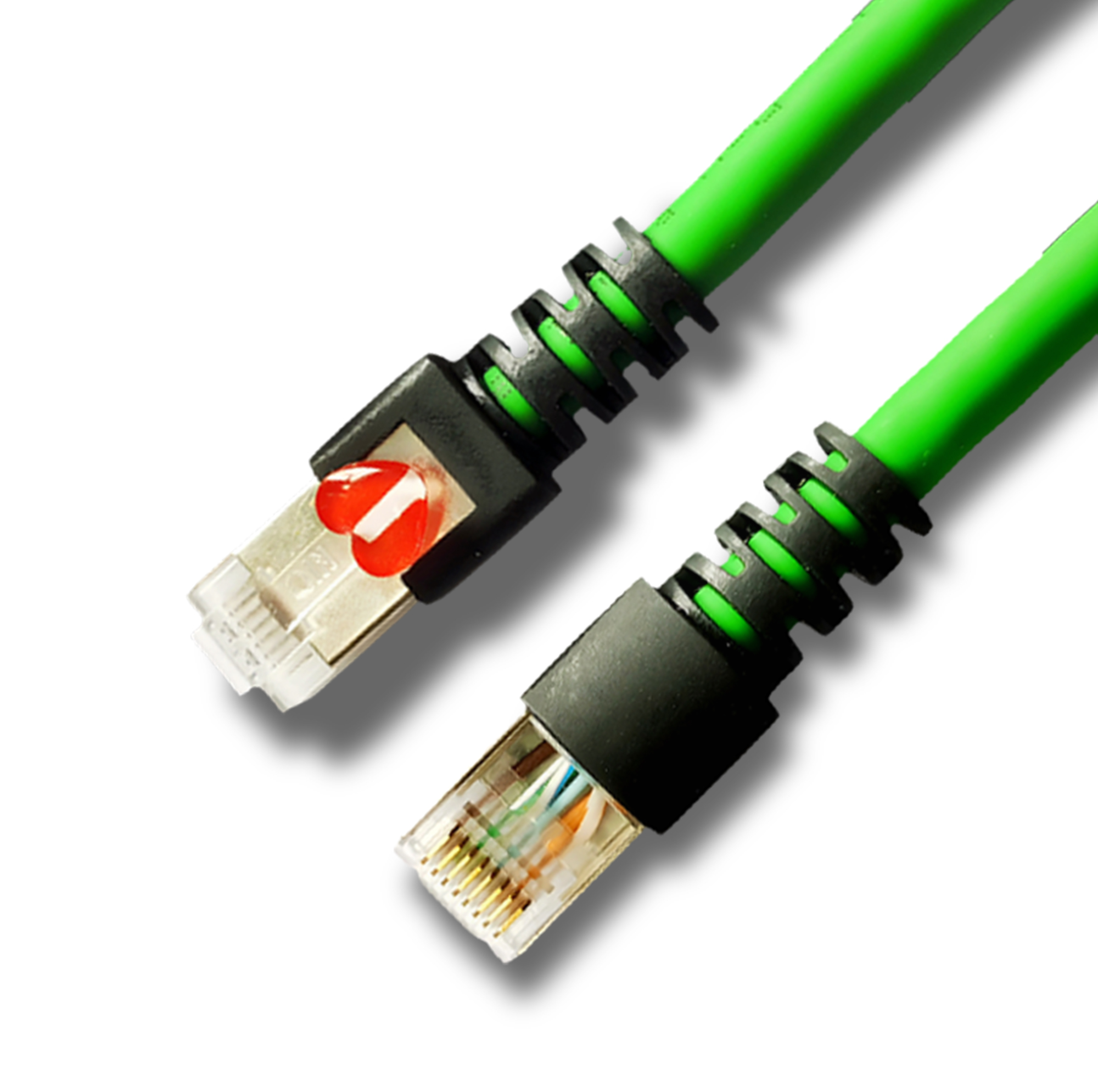
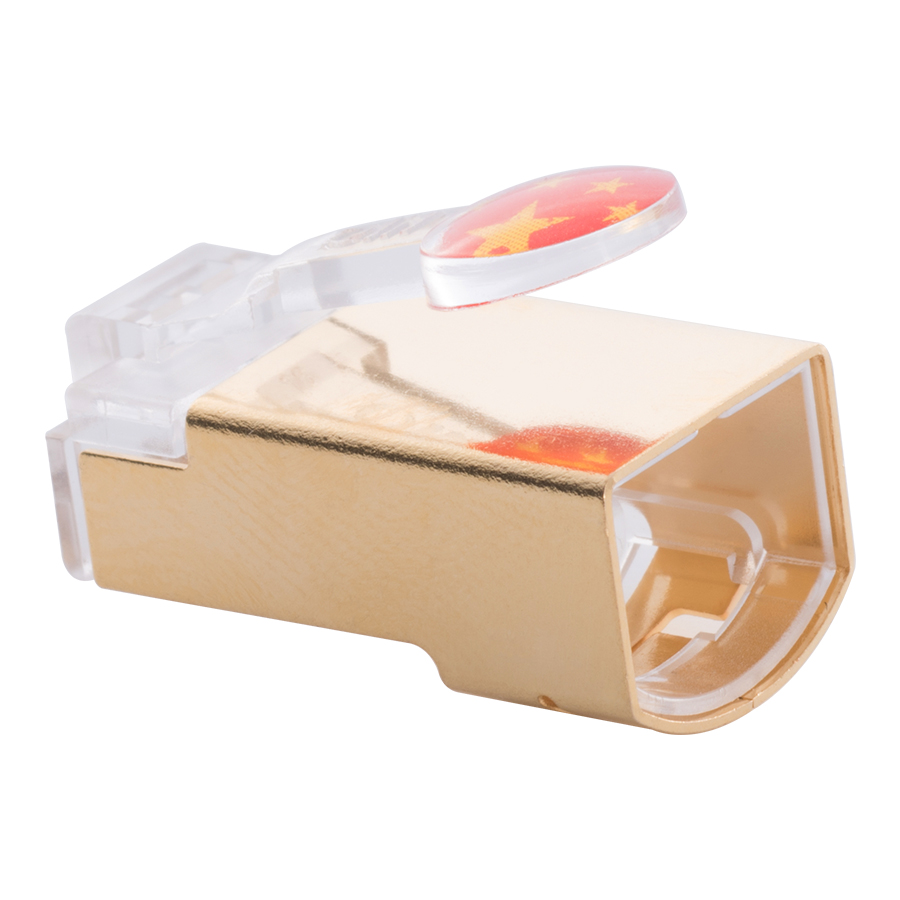
Optimized for harsh construction conditions including rough operation, frequent bending and dragging, dense cabinet cable arrangement and hard extrusion in wire grooves on engineering sites, these engineering-grade flame retardant patch leads are upgraded with enhanced mechanical durability. The thickened flame retardant sheath features excellent tear resistance, compression resistance and anti-aging performance, adapting to outdoor temporary wiring, concealed ceiling wiring and bundled cable tray routing. The lengthened integrated stress relief boot strengthens the weakest connection between cable and crystal head, avoiding fracture caused by repeated bending during construction. The 50U thickened gold-plated crystal heads deliver outstanding oxidation and corrosion resistance, adapting to humid and dusty computer room environments and maintaining stable connection after thousands of plugging cycles, meeting frequent plugging demands for engineering debugging and later operation and maintenance.
Engineering cabling belongs to irreversible concealed construction work. The rework cost caused by improper cable selection is far higher than the price difference of cables. Cables with only single qualified standard will lead to either failed fire acceptance or unqualified network link test, bringing extra cost of construction period, labor and materials due to repeated rework. With official flame retardant certification and complete Fluke test reports, engineering grade cat6 patch leads pass fluke test meet two sets of acceptance document requirements with one cable, eliminating extra sampling inspection and retest and simplifying the whole engineering acceptance process. They are widely applicable for new building structured cabling, computer room renovation, old park network upgrading and medical & educational dedicated network construction. With professional engineering-grade flame retardant protection ensuring line fire safety and authoritative Fluke tests guaranteeing stable network links, these dual-qualified cables completely solve dual acceptance difficulties of engineering cabling and support one-time smooth delivery of all weak current engineering projects.
-
-
-
-
-
-
-
-
-
-

Media Converter Network Patch Cord
Jun 27, 2026904
-
Network Cable Bandwidth Capacity
Jul 06, 2026895
-
UY2 Connector for Telephone Wire
Jul 08, 2026892
-
Wall-mounted Network Cabinet
Jun 30, 2026878
-
Four-Port Network Faceplate
Jul 03, 2026875