- Language
fiber optic cable
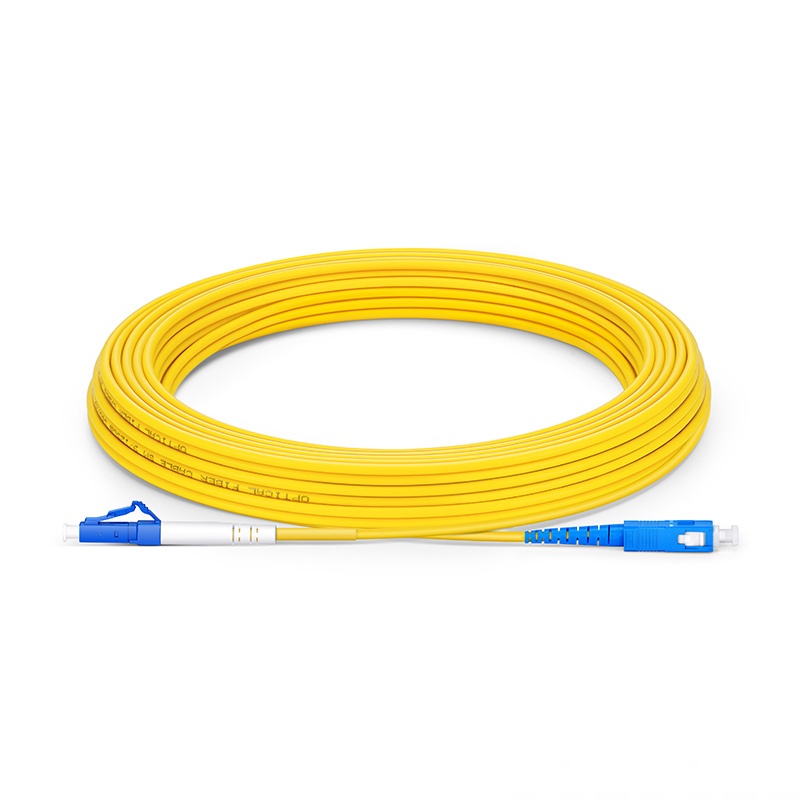
With the comprehensive popularization of high-speed communication networks, fiber optic cable, as the core carrier of information transmission, undertakes the core data transmission tasks of computing power networks, 5G base stations, industrial Internet, and smart cities. Traditional optical cable systems mostly adopt an integrated customized architecture, which has pain points such as poor adaptability, cumbersome operation and maintenance, and difficult capacity expansion. The implementation and application of modular design has completely broken the application limitations of traditional optical cables, realizing the transformation of fiber optic cable from a single transmission device to a systematic, iterable and highly adaptive communication unit, and has become a core breakthrough for improving the quality and efficiency of modern communication engineering.
From the perspective of product architecture modularity, modular fiber optic cable abandons the traditional integrated structure, and splits core components such as the cable main body, connecting terminals, protective kits, and optical splitting components into standardized independent modules. All modules comply with unified industrial interface standards and have the core advantages of independent production, free combination and individual replacement. Compared with the traditional integrated optical cable mode that requires overall customization and overall replacement, the modular split design enables fiber optic cable to be flexibly matched according to scenario requirements. For indoor building wiring scenarios, ordinary transmission modules, anti-interference modules and waterproof protection modules can be matched as needed; high-temperature resistant and anti-corrosion special modules can be adopted for industrial outdoor scenarios. It thoroughly solves the problem that the single structure of traditional optical cables cannot adapt to complex working conditions in multiple scenarios, and greatly expands the product adaptation scope.
From the perspective of engineering construction modularity, modular fiber optic cable realizes the standardization and simplification of construction processes. Traditional optical cable construction requires on-site cutting, fusion splicing and packaging, which puts forward high requirements for construction personnel, and is prone to problems such as fusion loss and non-standard packaging, resulting in a high rework rate. In contrast, all core connection modules of modular optical cables are prefabricated in the factory. On-site construction only requires three basic operations: module docking, fixing and inspection, without professional fusion equipment and advanced technologies. The standardized module docking features high precision, which can effectively reduce signal transmission loss, shorten the construction cycle by more than 40%, and greatly reduce labor costs and construction errors, making it suitable for large-scale and high-efficiency network laying projects.
From the perspective of operation, maintenance and iteration modularity, this design enables the fiber optic cable communication system to have the capability of continuous upgrading. The communication network iterates rapidly. Once traditional optical cables are deployed, subsequent capacity expansion, maintenance and upgrading require overall demolition and replacement, which is not only costly but also causes long-term network interruption. Under the modular architecture, faulty modules can be accurately located during system failures, and communication can be quickly restored by disassembling and replacing individual modules without modifying the overall lines. For network capacity expansion and upgrading, bandwidth can be expanded only by adding new transmission and optical splitting modules without re-laying cables, which greatly reduces operation and maintenance costs and upgrading difficulties, and perfectly adapts to long-term iterative communication scenarios such as smart cities and data centers.
In conclusion, modular design endows fiber optic cable with the core advantages of flexible adaptation, efficient construction and convenient operation and maintenance, solving many industrial pain points in the application of traditional optical cables. Against the backdrop of the rapid development of digital infrastructure, modular fiber optic cable will become the mainstream choice for communication network construction, and continuously build a solid hardware foundation for a high-speed, stable and iterable modern communication system.
-
-
-
-

-
-
-
-
-
-

Media Converter Network Patch Cord
Jun 27, 2026904
-

Network Cable Bandwidth Capacity
Jul 06, 2026895
-
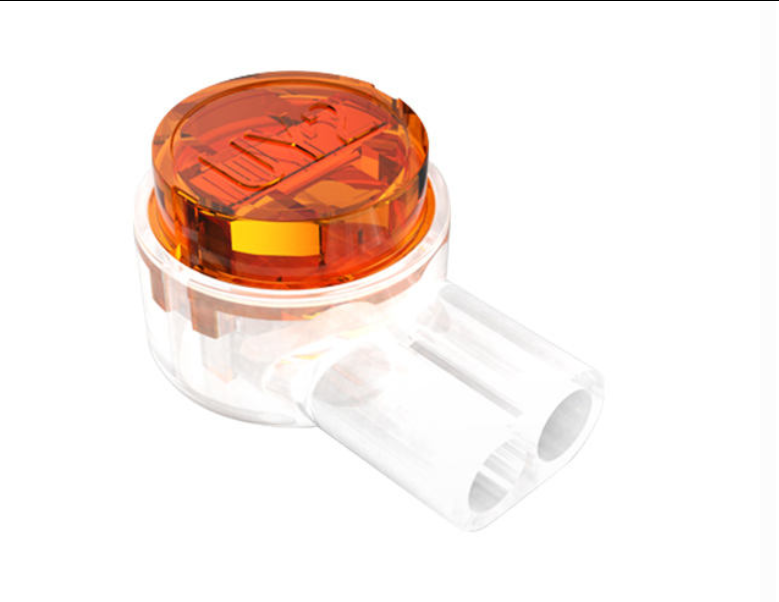
UY2 Connector for Telephone Wire
Jul 08, 2026892
-
Wall-mounted Network Cabinet
Jun 30, 2026878
-
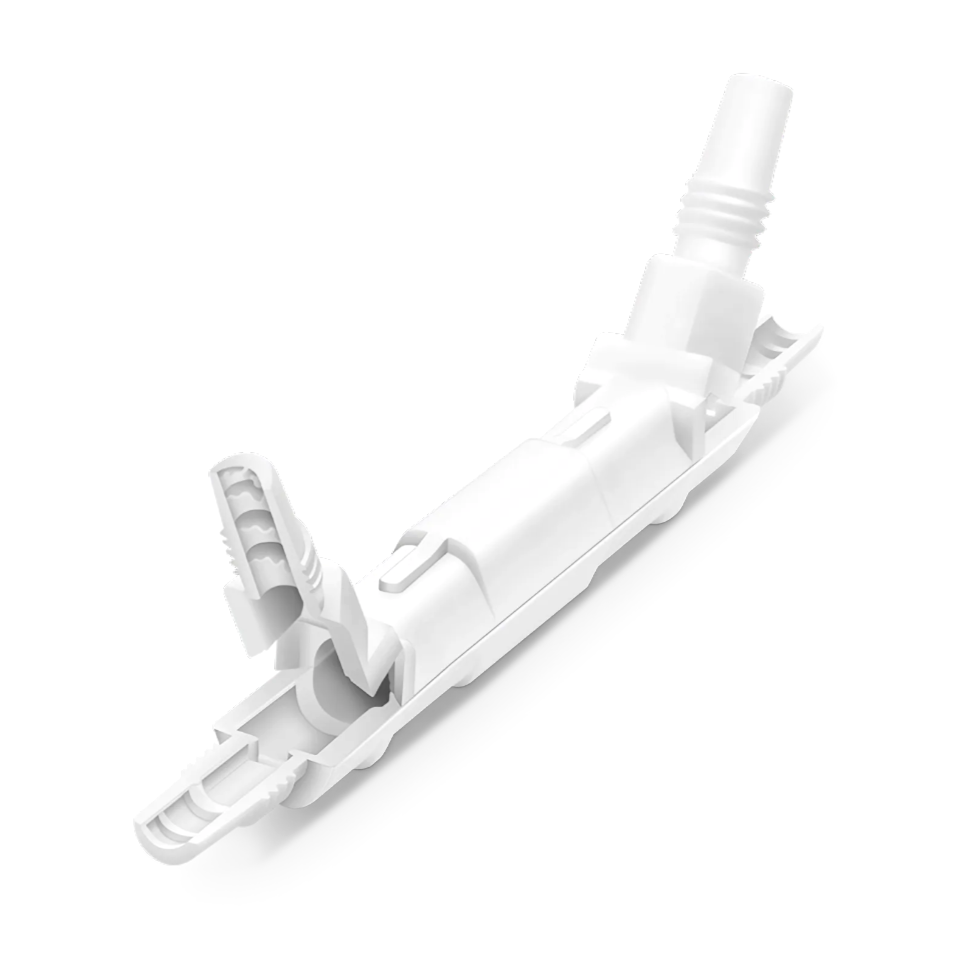
Four-Port Network Faceplate
Jul 03, 2026875