- Language
fluke compliant cat6 network patch cords
Low-cost non-standard Cat6 network patch cords have long been a stubborn industry problem in China’s structured cabling market. To cut production costs, numerous manufacturers deliberately violate TIA/EIA and ISO international cabling standards, cutting corners comprehensively on conductor materials, wire gauge specifications, twisting pitch structures, internal isolation frames and crystal head craftsmanship. They still falsely label products as genuine Cat6 cables and seize bulk orders for home decoration, office networking, weak current engineering and computer room construction with ultra-low prices. General purchasers, decoration contractors and construction teams cannot distinguish standard compliant cables from inferior non-standard cables only by appearance and hand feel. Ordinary continuity testers merely check basic circuit connectivity and fail to detect hidden defects under high-frequency signal transmission. Therefore, massive non-standard cables have been applied to various network projects, causing long-term network hidden dangers that are difficult to troubleshoot. To completely avoid all traps of non-standard cables and guarantee basic network link performance, it is critical to select qualified cables verified by professional testing instruments that fully comply with global cabling specifications. fluke compliant cat6 network patch cords serve as authoritative compliance credentials that distinguish qualified cables from all inferior non-standard patch cords. With strict full-item Fluke link tests as mandatory assessment criteria, these certified cables eliminate all corner-cutting problems of non-standard products, providing 100% compliant and risk-free standard network patch cords for home networking and commercial engineering projects.
Although non-standard Cat6 cables share identical appearance with genuine standard Cat6 patch cords, they have five irreversible inherent defects that make them impossible to pass official Fluke compliance tests. Firstly, inferior conductor materials are adopted. Instead of standard high-purity oxygen-free copper cores required by international regulations, non-standard cables use copper-clad aluminum, copper-clad iron and recycled impure copper conductors with poor electrical conductivity and excessive resistance, which are prone to oxidation and corrosion and further cause intermittent network disconnection and unstable PoE power supply in later use. Secondly, undersized wire gauges are applied. Standard Cat6 cables require 23AWG full-size wire cores, while non-standard products usually reduce wire gauge to 24AWG or even 26AWG, leading to doubled signal attenuation in long-distance transmission and limited gigabit network speed. Thirdly, cross isolation frames are omitted. Genuine Cat6 cables are equipped with standard cross frames to separate four pairs of twisted wires and reduce internal crosstalk, while non-standard cables cancel this key structure directly, resulting in excessive high-frequency crosstalk and failure to meet the standard 250MHz bandwidth requirement. Fourthly, disordered twisting pitch is adopted. Without precise and constant twisting technology, non-standard cables cannot offset internal signal interference, triggering frequent latency rise and packet loss under high network load. Fifthly, inferior crystal heads and outer sheaths are equipped, featuring thin gold-plated contacts and recycled plastic sheaths with poor oxidation resistance and bending resistance, which lead to poor contact and cracked outer skins after short-term use.
Most purchasers hold a critical misunderstanding that there is no need to pursue Fluke compliance as long as network cables can connect to the internet normally. In fact, non-standard network cables have strong deceptive performance. They can work normally under low network load scenarios such as web browsing and short video playback without obvious faults, so they can easily pass preliminary manual inspection. However, all inherent defects will break out intensively under high-load working conditions including commercial network operation, whole-home smart wired networking, low-latency gaming network, large-capacity NAS file transmission and simultaneous operation of multiple PoE devices. Typical failures include halved LAN transmission speed, frozen screen and audio delay during high-definition video conferences, continuous ping spikes in online games, and frequent offline issues of wireless APs and surveillance cameras. More importantly, formal projects such as weak current engineering, building cabling and campus computer room construction require full Fluke link compliance tests for all network cables. None of non-standard cables can pass official assessment, resulting in full rework of previous construction, huge extra cost on labor, materials and construction period, as well as delayed project acceptance and damaged cooperative reputation with clients.
Different from all inferior non-standard cables and ordinary qualified cables on the market, fluke compliant cat6 network patch cords strictly follow global Cat6 cabling standards. Every finished patch cord passes full-item compliance tests via professional Fluke DSX cable analyzers and meets official link specifications fundamentally, making it essentially different from inferior non-standard cables. The complete tests cover five core electrical indicators: near-end crosstalk, far-end crosstalk, return loss, insertion loss and attenuation-to-crosstalk ratio. Meanwhile, these certified cables retain all standard structural configurations missing from non-standard products. The integrated cross isolation frame separates four twisted wire pairs physically to suppress internal signal crosstalk effectively. Adopting 23AWG full-size 8-core high-purity oxygen-free copper conductors with resistance fully meeting international standards, these cables support lossless signal transmission within 100 meters and stable PoE power supply without voltage drop. Automatic precise twisting technology unifies wire pair winding spacing and resists external electromagnetic interference generated by household appliances and computer room equipment, adapting to complex electromagnetic wiring environments.
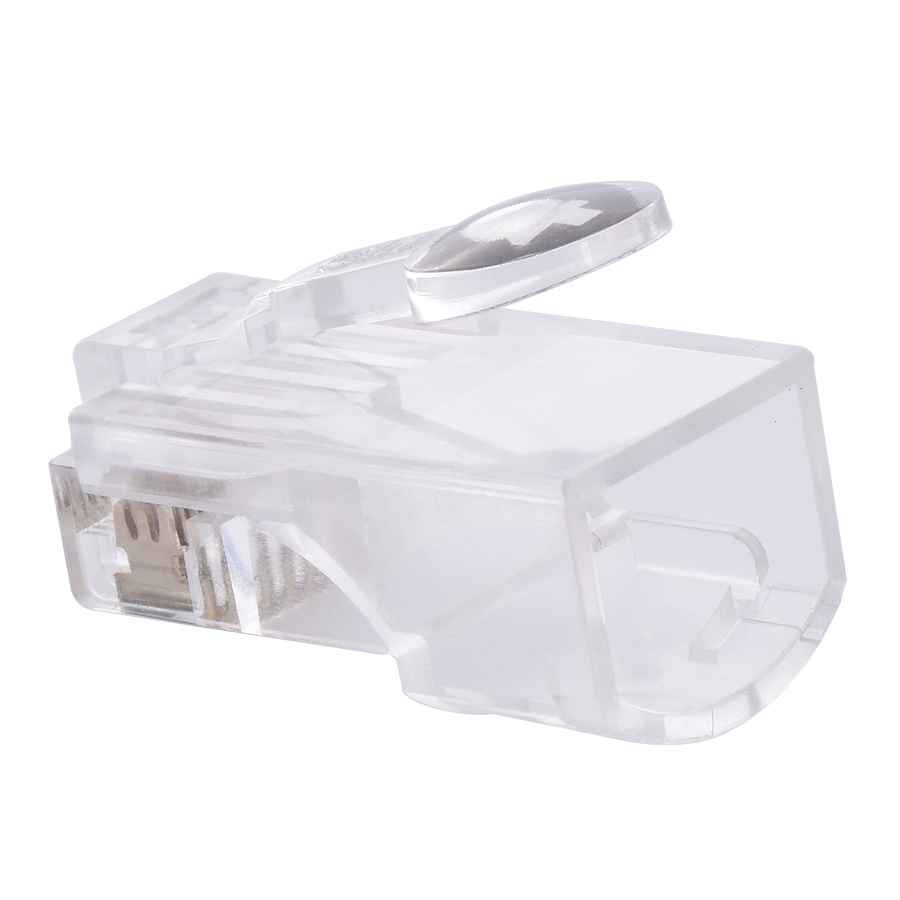
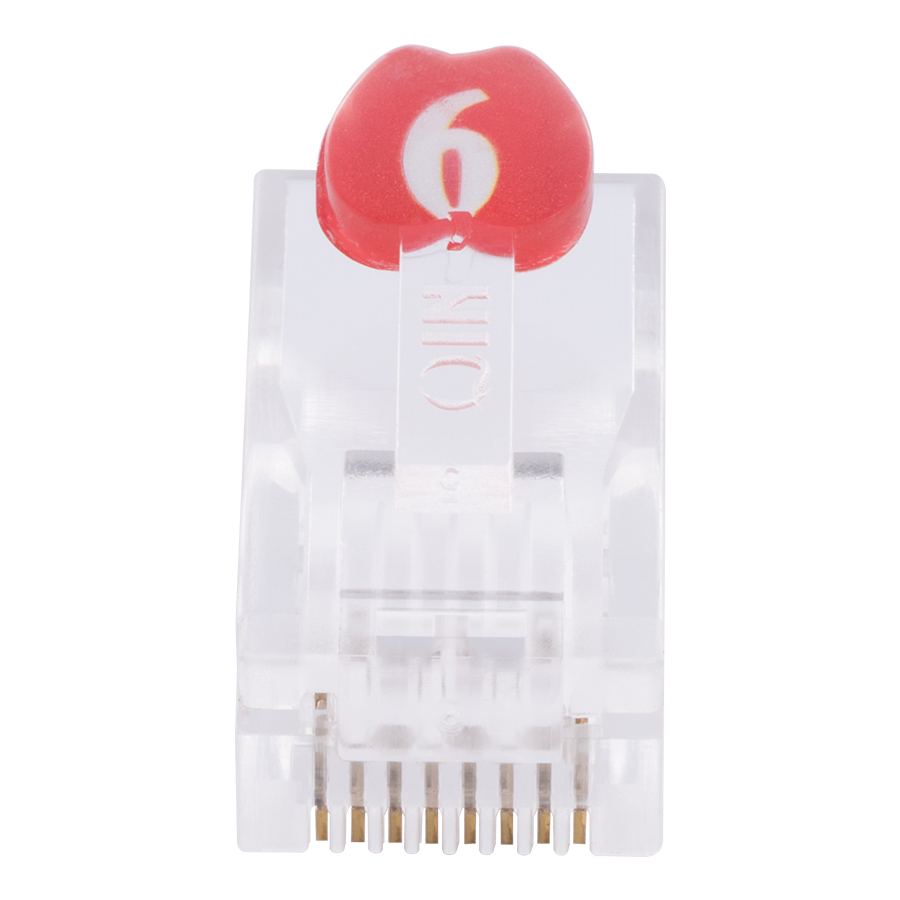
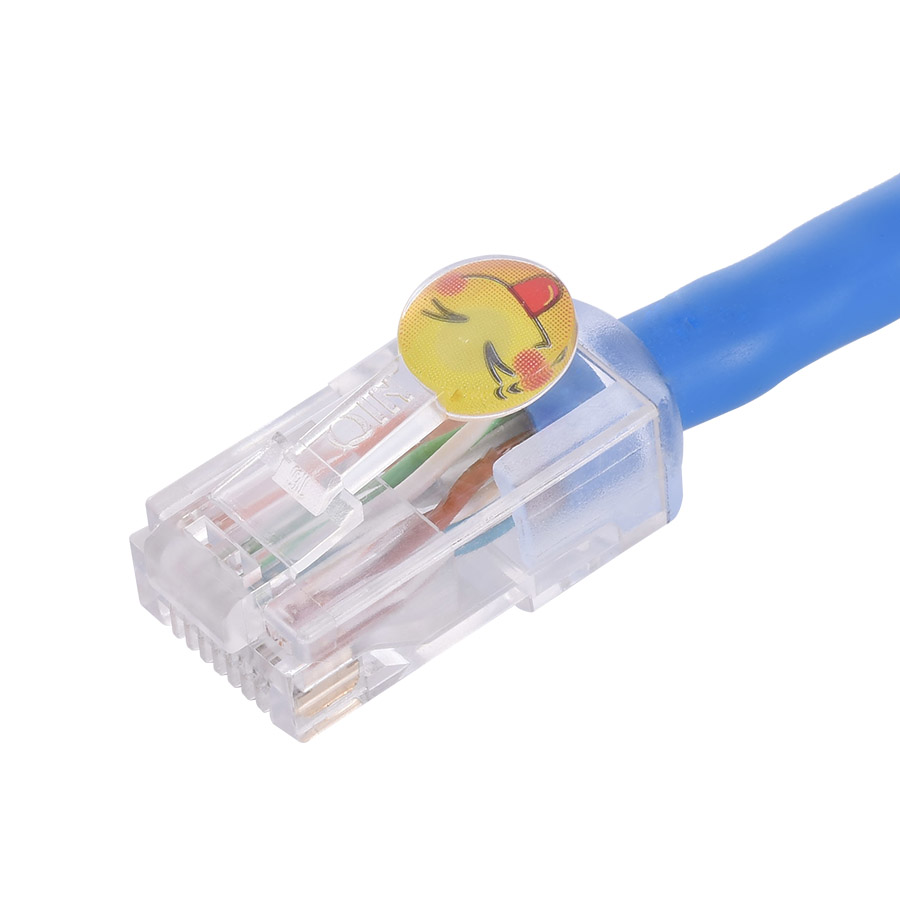
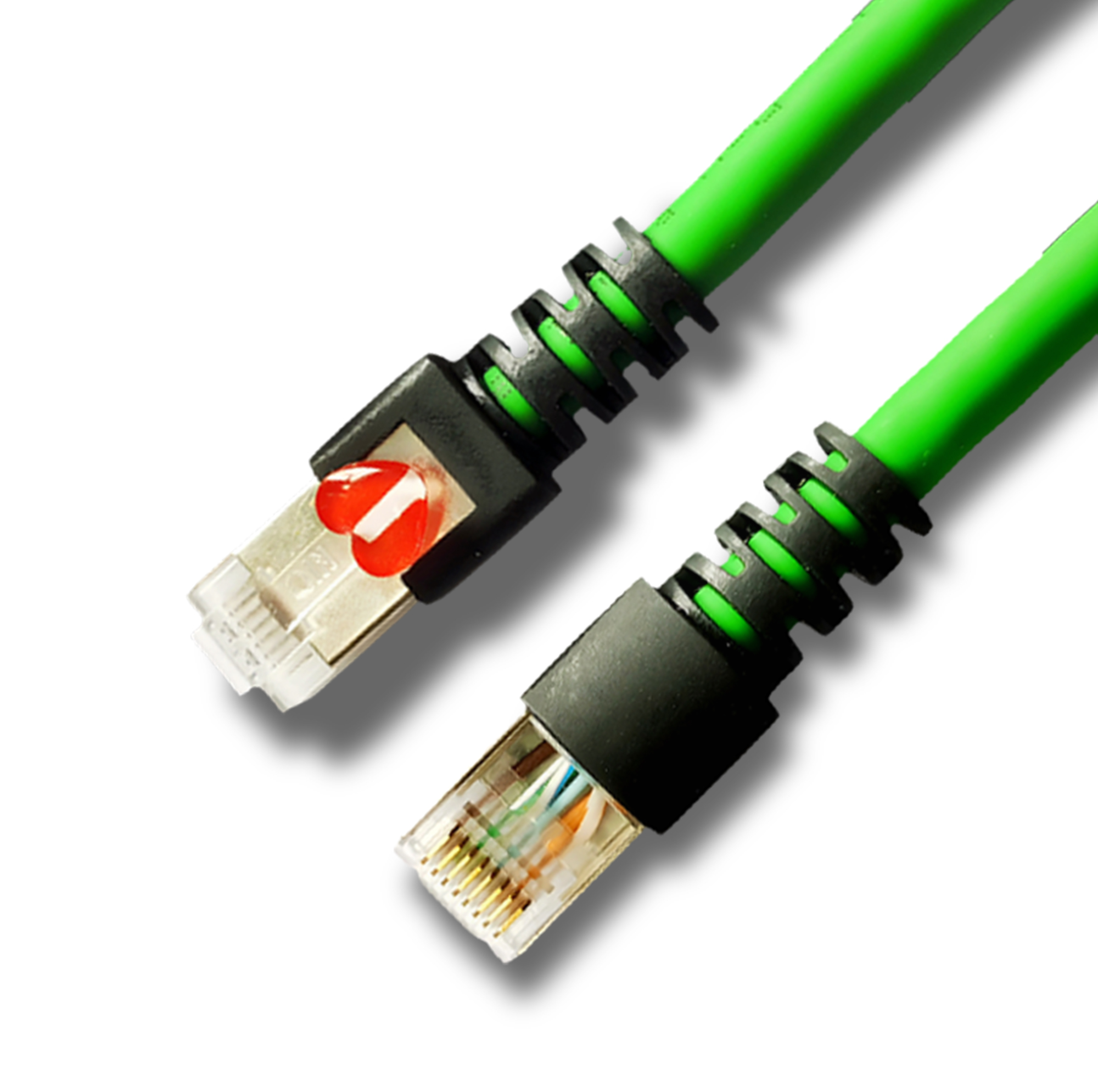
To solve the common defects of fragile joints and easy oxidation of non-standard cables, these Fluke compliant Cat6 patch cords are upgraded with optimized joint technology. Crystal heads adopt 50U thickened gold-plated contacts with much better oxidation and corrosion resistance than thin contacts used on non-standard cables, maintaining stable connection after thousands of plugging cycles and avoiding network fluctuation caused by oxidized poor contact. The lengthened integrated injection molding stress relief boot reinforces the weakest connection between cable and crystal head, solving the common root fracture problem of non-standard cables caused by frequent bending. These patch cords adapt to complex application scenarios including repeated cabinet bending, daily desktop movement and narrow corner wiring. The outer sheath adopts brand-new environmentally friendly flame-retardant virgin PVC material instead of recycled plastic used by non-standard cables, featuring better wear resistance, anti-aging performance and toughness. It will not harden or crack after long-term sealed cabinet storage and daily dragging, with a service life more than three times longer than ordinary non-standard cables.
In terms of transmission performance, these compliant Cat6 patch cords release full performance of standard Category 6 cables. They provide stable 250MHz rated bandwidth without signal attenuation or crosstalk interference, supporting stable 1000Mbps full gigabit transmission natively and compatible 10GBASE-T 10-gigabit transmission under short-distance links. They fit current gigabit broadband deployment and future 10-gigabit broadband upgrading perfectly. Besides, they support full-range PoE protocols including PoE, PoE+ and PoE++ with stable power supply without voltage drop, eliminating common failures of non-standard cables such as insufficient power supply, device restart and interrupted camera recording. They are widely applicable for office workstation wiring, computer room jumper connection, whole-home wired decoration networking, campus cabling, commercial weak current projects in hotels and shopping malls, and wired connection for industrial equipment. They maintain low latency, zero packet loss and uninterrupted stable transmission for both home entertainment, home office and large-scale commercial cabling projects.
From the perspective of long-term service cost and project operation and maintenance, low-cost non-standard cables seem to save upfront procurement cost, but turn out to be uneconomical in the long run. Once non-standard cables are adopted for concealed home decoration wiring, network failures cannot be repaired without wall breaking and rewiring, which will damage overall interior decoration. Applying non-standard cables to engineering projects directly leads to acceptance failure and full rework, bringing losses far exceeding the price difference of cables. Moreover, non-standard cables age rapidly and suffer from mass circuit failures within 1 to 2 years, resulting in high later maintenance costs. In contrast, fluke compliant cat6 network patch cords require almost no maintenance after one-time wiring construction. Official traceable Fluke compliance test reports are provided together with products, requiring no extra on-site retests and ensuring one-pass acceptance for all cabling projects. All hidden risks brought by non-standard cables can be completely avoided.
As the basic carrier of network signal transmission, the compliance level of network cables determines the upper limit of overall network performance. Never sacrifice long-term network stability and project compliance for short-term low procurement cost. The cabling market is mixed with good and bad products, and cable quality cannot be identified by naked eyes. Only professional Fluke instrument tests can expose the hidden defects of non-standard cables. Complying with international Cat6 cabling standards and passing full professional instrument compliance tests, fluke compliant cat6 network patch cords solve five core pain points of non-standard cables: inferior materials, incomplete structure, poor transmission performance, difficult acceptance and short service life. With standardized materials, craftsmanship and testing standards, these certified cables fully replace all inferior non-standard patch cords on the market. They build compliant, long-term stable, rework-free and low-maintenance high-quality wired network links for home decoration networking, commercial weak current projects and computer room construction, thoroughly eliminating all network troubles caused by non-standard cables.
-
-
-
-
-
-
-
-
-
-
Flange Type Fixed Fiber Optic Adapter for Rack Panel
Sep 19, 2026955
-
Fiber Pigtail 12 Cores SC UPC Single Mode
Sep 04, 2026930
-
12 Port Cat6 Patch Panel Small Cabinet
Sep 12, 2026929
-
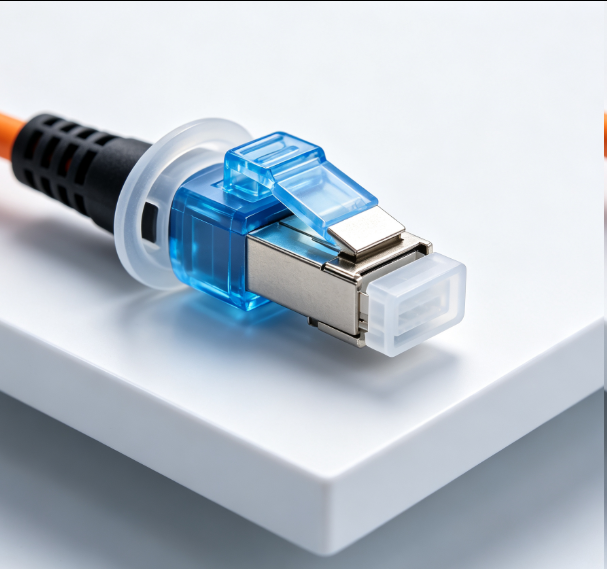
Dust Cap Equipped Fiber Patch Cable Protective
Sep 03, 2026929
-
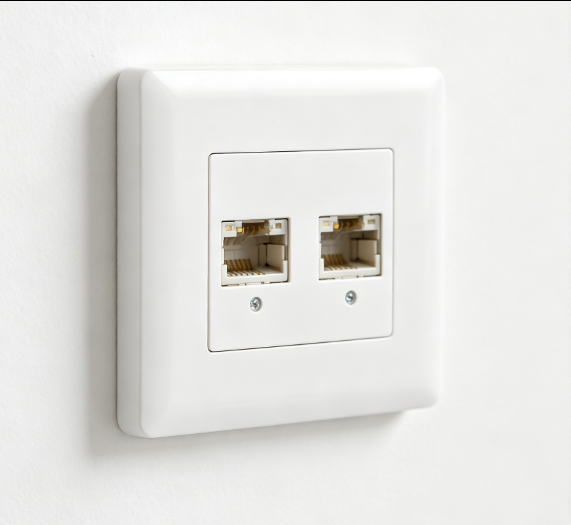
EU Standard Network Faceplate
Sep 11, 2026927