- Language
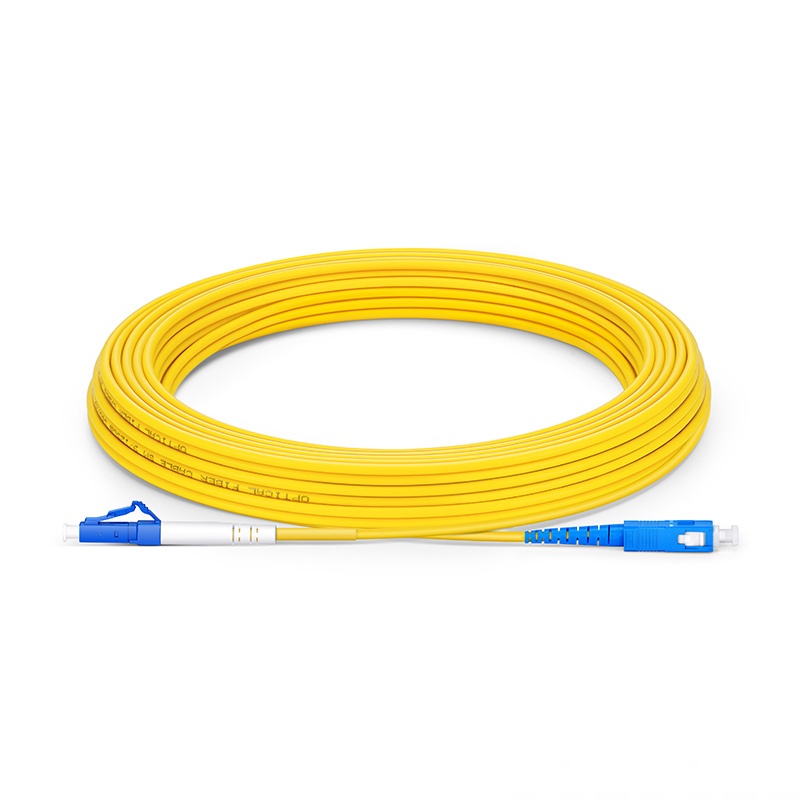
single mode fiber patch cord.Single-mode fiber optic patch cord compatibility fully upgraded
With the rapid popularization of optical fiber communication, optical networks have become the core transmission carrier of data centers, smart cities, operator backbone networks, enterprise parks, security private networks and industrial Internet of Things. Compared with traditional network cable transmission, optical fiber transmission has core advantages such as large bandwidth, low delay, anti-interference and long transmission distance, making it a rigid demand product for long-distance, large-capacity and high-stability network transmission. In the process of optical network engineering implementation, new and old network renovation, and mixed use of multi-brand equipment, compatibility has become a key factor determining network stability, engineering pass rate and later operation and maintenance costs. A large number of ordinary single-mode fiber patch cords on the market have problems such as poor interface adaptation, protocol incompatibility, abnormal equipment identification and link negotiation failure, resulting in cumbersome network debugging, high project rework rate and frequent long-term operation faults. single mode fiber patch cord relies on standardized technology, universal optical parameters and full-specification interface adaptive design to achieve all-round compatibility of equipment, protocols, systems and scenarios, completely breaking the adaptation limitations of traditional optical fiber jumpers. With superior compatibility, it adapts to various optical network construction and renovation projects, and has become the most versatile and highly stable core wire in the optical communication industry.
Its superior compatibility is first reflected in the universal adaptation of all types of optical fiber equipment, completely breaking the adaptation barriers of mixed networking of multi-brand equipment. At present, the domestic optical network equipment market has various brands, including Huawei, ZTE, Fiberhome, H3C, Ruijie, Cisco and other mainstream brands with slightly different equipment parameters. Ordinary non-standard optical fiber patch cords are prone to problems such as unrecognized equipment, abnormal optical power, link jitter and offline failure, which greatly increase the difficulty of engineering debugging. Strictly complying with international universal optical fiber communication standards, single mode fiber patch cord adopts standardized core diameter, optical refractive index and ferrule concentricity parameters. Its optical performance accurately matches all mainstream optical modules, optical switches, fiber transceivers, OLT, ONU and optical transmission equipment in the industry, realizing plug-and-play, instant identification and stable connection for all brand equipment. It can be seamlessly adapted to operator room core equipment, enterprise office optical network equipment, special security optical fiber equipment and industrial-grade optical transmission terminals without additional debugging and special matching, fundamentally solving the compatibility problems of mixed networking of multi-brand equipment and greatly improving engineering construction efficiency.
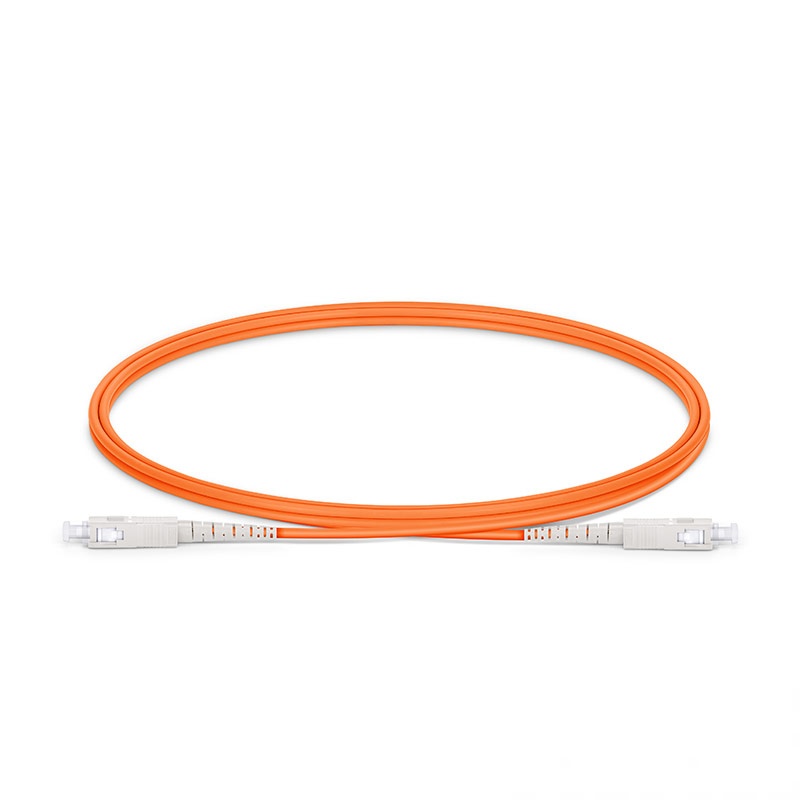
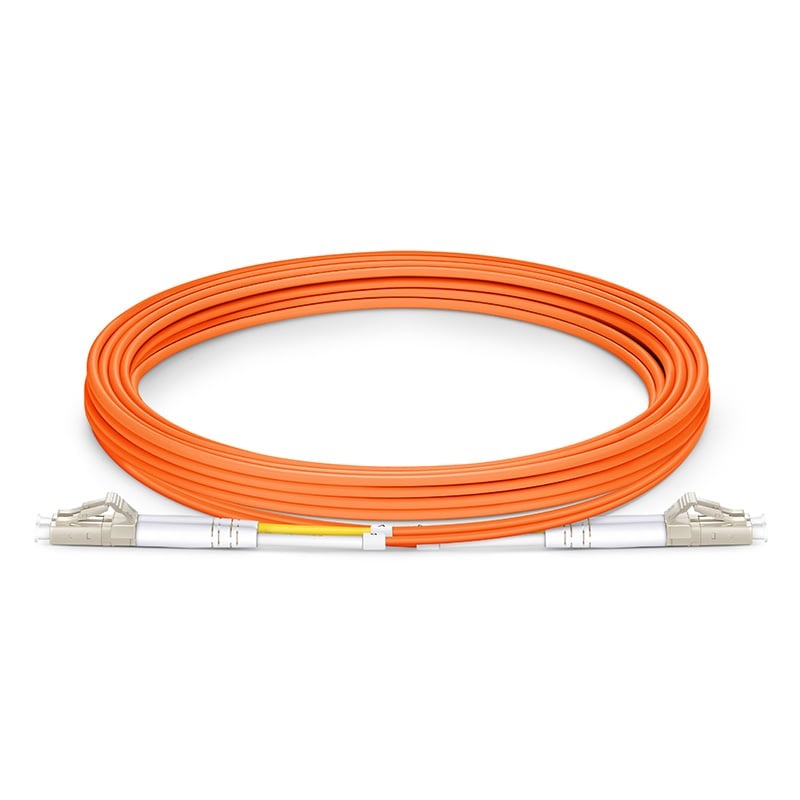
In terms of interface specification compatibility, this single-mode fiber patch cord achieves full coverage of all mainstream interfaces, adapting to the port requirements of new and old projects. Optical fiber networking projects are divided into new high-speed optical networks and old stock optical networks. The two types of projects adopt greatly different interface specifications. Old projects mostly use traditional SC and FC interfaces with high adaptation accuracy requirements for old equipment ports, while new projects generally adopt compact high-density LC and ST interfaces suitable for high-density cabinet wiring scenarios. Many optical fiber patch cords have single interface specifications and can only adapt to a single interface type, requiring multiple types of wires to be replaced during new and old project renovation, resulting in complicated consumables and high costs. single mode fiber patch cord supports the free combination of all mainstream interfaces such as SC, LC, FC and ST, and can be flexibly made into various common joint combinations including SC-LC, FC-LC, SC-ST and FC-SC. It can perfectly adapt to the ports of old stock optical network equipment for the renovation of traditional parks, old computer rooms and old security private networks, and also fit the new generation of high-density optical fiber wiring systems to meet the needs of new projects such as data centers, 5G base stations and intelligent parks. With multi-purpose and full-domain adaptation, it greatly simplifies the configuration of engineering consumables and reduces network renovation costs.
Full coverage compatibility of protocols and wavelengths is the core technical advantage of single mode fiber patch cord, fully adapting to the operation standards of various optical transmission scenarios. Single-mode optical fiber transmission realizes differentiated transmission through different wavelengths. The mainstream application wavelengths in the industry include two core bands of 1310nm and 1550nm, and it is compatible with CWDM and DWDM wavelength division multiplexing transmission modes, adapting to full-span transmission needs of short-distance, medium-long-distance and ultra-long-distance transmission. Ordinary inferior single-mode jumpers have large deviations in optical parameters and can only adapt to single-wavelength transmission. Switching the transmission band will easily cause excessive optical loss, link interruption and transmission stuttering, failing to adapt to multi-scenario and multi-mode optical transmission networking. In contrast, single mode fiber patch cord has accurate and stable optical parameters, perfectly compatible with conventional communication wavelengths of 1310nm and 1550nm, as well as wavelength division multiplexing, gigabit, 10-gigabit, 25G and 100G high-speed optical transmission protocols. It supports various network topologies such as point-to-point transmission, ring networking and star networking, and can operate stably in ultra-long-distance transmission of operator backbone networks, medium and short-distance networking of enterprise parks and fixed-point transmission of security private networks without limiting transmission protocols and networking modes, with far higher compatibility than ordinary similar products.
Barrier-free system adaptation realizes seamless interconnection of new and old optical networks, perfectly meeting the renovation needs of stock projects. At present, the optical networks built in the early stage of a large number of government and enterprise parks, campuses, old communities and traditional industrial parks in China are low-speed optical network systems, whose transmission standards and equipment parameters are quite different from modern high-speed optical network systems. In the alternating process of new and old systems, network faults such as network faults, rate mismatch and link disconnection caused by wire incompatibility frequently occur, becoming a common pain point in industrial network renovation. The traditional renovation solution requires full replacement of optical fiber wires, which features large construction volume, long construction period and high renovation cost, and will affect users' normal network use. Adopting a generalized optical design, single mode fiber patch cord is fully backward compatible with old low-speed optical network systems such as 100M and gigabit networks, and upward compatible with 10-gigabit and above high-speed optical transmission systems. It can serve as a connecting link between new and old networks, completing the docking and performance upgrading of new and old networks only by replacing terminal jumpers without large-scale replacement of basic wiring, realizing seamless compatibility between old low-speed optical networks and modern high-speed optical networks, and greatly reducing the construction difficulty, renovation cost and project cycle of stock optical network renovation.
In terms of material and technological design, standardized precision technology provides strong quality guarantee for superior compatibility, avoiding adaptation faults from the source. single mode fiber patch cord adopts high-purity quartz fiber core with high purity, uniform refractive index and accurate geometric size, strictly complying with international universal single-mode optical fiber standards G.652D and G.657, featuring low curvature loss and excellent optical consistency, without equipment adaptation abnormality and excessive optical power attenuation caused by fiber core parameter deviation. The jumper ferrule is made of high-precision ceramic material with precise end-face polishing, minimal concentricity error, high fitting degree during plugging and stable interface contact, eliminating link compatibility faults caused by poor interface fitting. Meanwhile, the wire adopts flexible and bending-resistant sheath material with aging resistance, tensile resistance and compression resistance, featuring strong wiring adaptability. It can adapt to various construction scenarios such as high-density cabinet wiring, embedded pipeline wiring, wall surface exposed wiring and equipment terminal jumper wiring. The optical parameters remain stable after wire deformation without affecting the compatible adaptation of equipment and systems, ensuring long-term fault-free operation.
The full-scenario compatibility enables single mode fiber patch cord to cover the optical network needs of commercial, civil, industrial and operator fields with irreplaceable universality. In government and enterprise office networking scenarios, it is compatible with enterprise office optical routers, core switches, optical firewalls and access control attendance optical network equipment, adapting to mixed networking of new and old enterprise office networks, ensuring stable high-speed transmission of multiple terminals and supporting high-frequency office scenarios such as video conferences, cloud office and big data transmission. In security monitoring networking scenarios, it perfectly adapts to high-definition network cameras, NVR storage hosts and security fiber transceivers, compatible with various transmission protocols of security private networks, supporting synchronous transmission of multiple high-definition video data streams, and eliminating problems such as picture stuttering, signal interruption and abnormal remote access. In operator and data center scenarios, it adapts to computer room core equipment, wavelength division equipment and base station transmission equipment, supporting ultra-long-distance and large-capacity high-speed data transmission and meeting the high-intensity networking needs of 5G transmission, cloud computing and big data centers. In industrial Internet of Things scenarios, it resists complex industrial environmental interference and ensures real-time and stable transmission of industrial data by virtue of stable optical performance and strong environmental adaptability, compatible with industrial optical transmission terminals and automatic control equipment.
From the perspective of engineering implementation and long-term operation and maintenance, ultra-high compatibility greatly optimizes the wiring process and reduces industrial operation and maintenance pressure, fully conforming to the development trend of cost reduction and efficiency improvement in the optical communication industry. Traditional optical fiber networking has extremely high requirements for wire matching. Wires with different standards and parameters cannot be mixed. Once the wire adaptation is wrong, link faults and network disconnection will occur, requiring repeated troubleshooting, debugging and wire replacement and consuming a lot of manpower and material resources. With the all-round compatibility of cross-equipment, cross-protocol, cross-system and cross-scenario, single mode fiber patch cord does not require strict screening of wire specifications, and new and old wires and multi-brand equipment can be mixed for use, greatly simplifying the construction process, lowering the construction threshold and improving the engineering acceptance rate. Meanwhile, the wire has strong forward-looking performance, adapting to the iterative upgrading of future high-speed optical networks. One-time wiring can be used for a long time without frequent jumper replacement due to network upgrading, greatly reducing later operation and maintenance costs and equipment iteration costs, making it a preferred universal optical fiber wire for engineering integrators, operators and government and enterprise operation and maintenance units.
Judging from the development trend of the optical communication industry, high-speed, hybrid and generalized networking has become the mainstream, and mixed multi-equipment, coexisting new and old systems and multi-scenario integrated networking have become normal. Non-standard optical fiber jumpers with poor compatibility and single adaptation can no longer meet the high-quality requirements of modern optical network engineering. The industry market is phasing out inferior wires with non-standard parameters, narrow adaptation range and poor stability, and standardized, highly compatible and long-life universal optical fiber jumpers have become market rigid demands. Accurately grasping the industrial development trend, single mode fiber patch cord breaks the adaptation limitations of traditional optical fiber wires through full-dimensional compatible design. Relying on standardized optical technology, high-quality fiber core material and full-specification interface adaptation capability, it balances stability, universality and forward-looking performance, meeting the high-precision needs of new high-end optical network projects and the renovation needs of old stock projects, comprehensively empowering the standardized, efficient and high-quality development of the optical communication industry.
In conclusion, compatibility is the core indicator to measure the practical value and engineering adaptability of optical fiber jumpers, as well as the foundation to ensure the long-term stable operation of optical networks. single mode fiber patch cord, with the core advantages of universal optical standards, full-specification interface adaptation, full-protocol system compatibility and full-scenario universality, thoroughly solves the industrial pain points of traditional optical fiber jumpers such as poor adaptability, cumbersome debugging, high renovation cost and multiple operation and maintenance faults. Without complex debugging, special matching and large-scale transformation, it can be seamlessly integrated into various optical network systems, fully adapting to various networking scenarios such as government and enterprise office, security monitoring, data center, operator backbone network and industrial Internet of Things. With extreme compatibility and stable transmission quality, it has become an indispensable benchmark universal optical fiber jumper in modern optical network engineering.
-
-
-
-
-
-
-
-
-
-
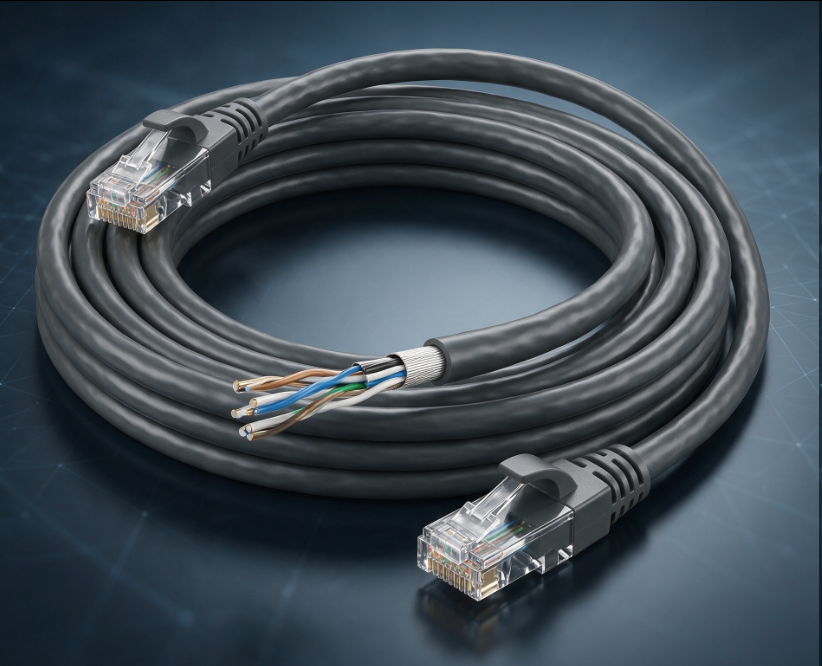
CAT6 Ethernet Gigabit Cable
Aug 15, 2026907
-

Media Converter Network Patch Cord
Jun 27, 2026906
-
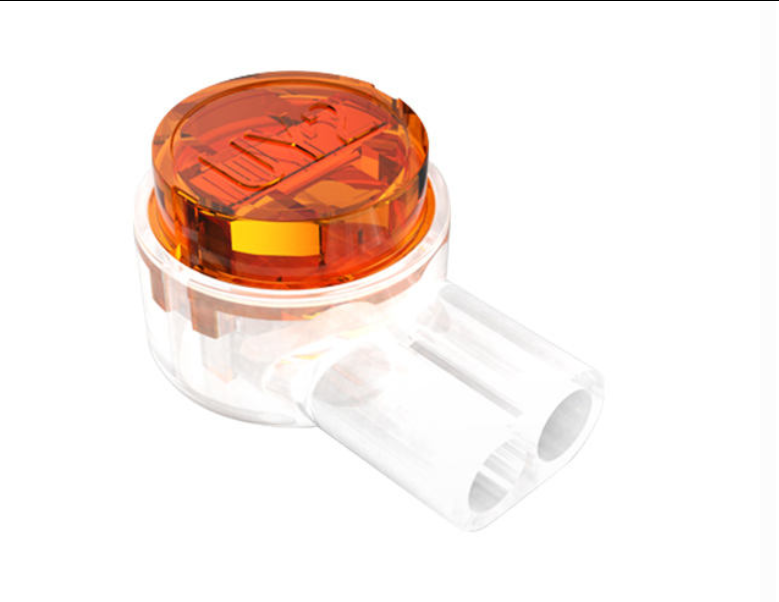
UY2 Connector for Telephone Wire
Jul 08, 2026897
-
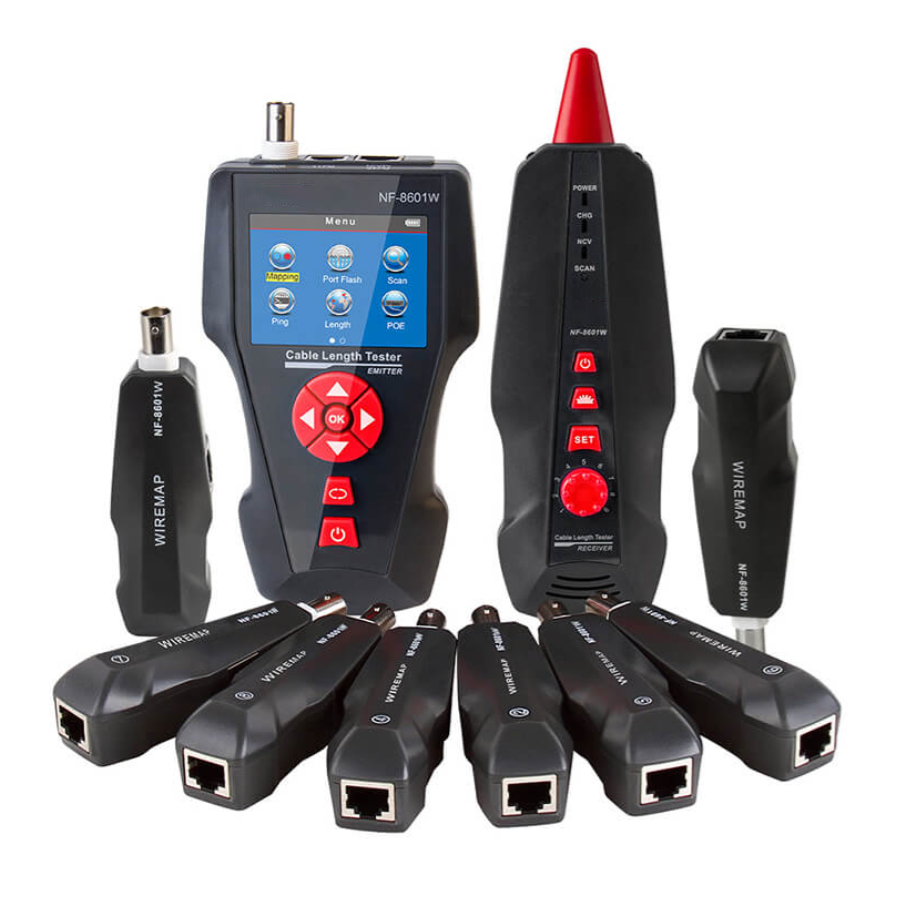
Network Cable Bandwidth Capacity
Jul 06, 2026897
-
Flame Retardant Cat7 Boot Cover
Jul 14, 2026888