- Language
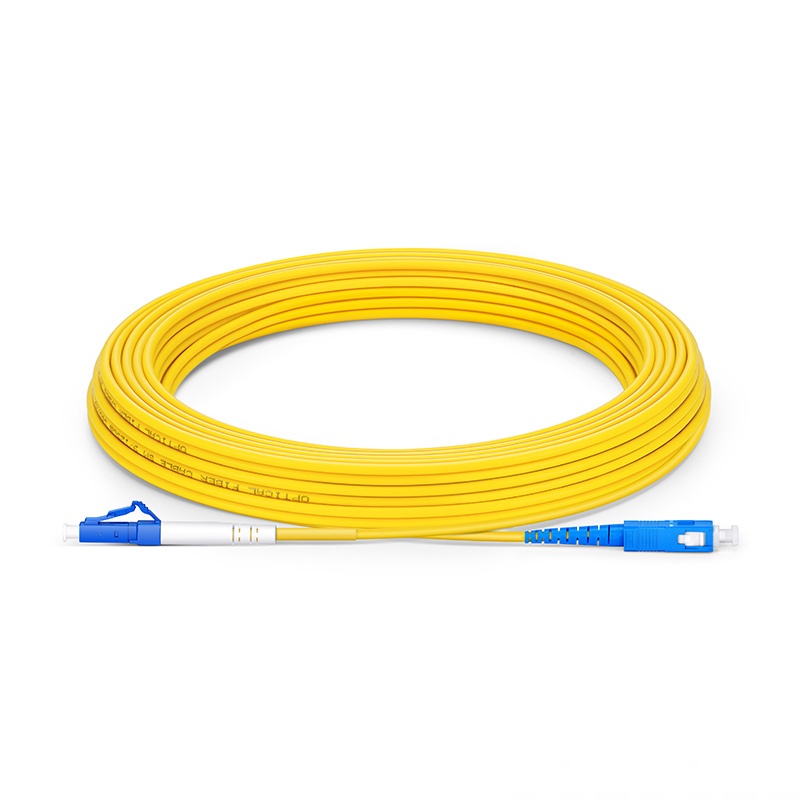
single mode fiber patch cord
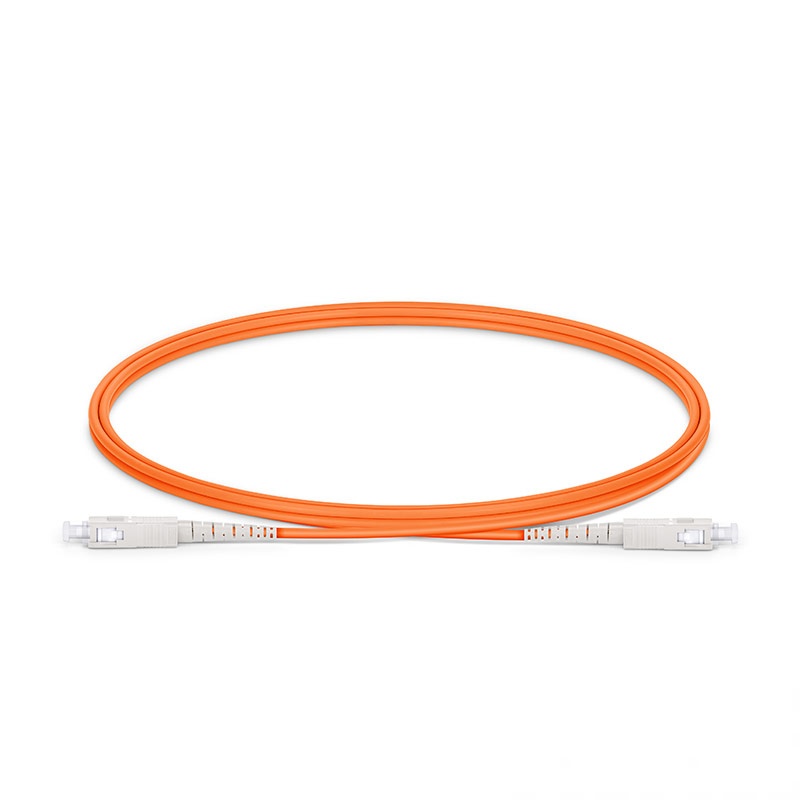
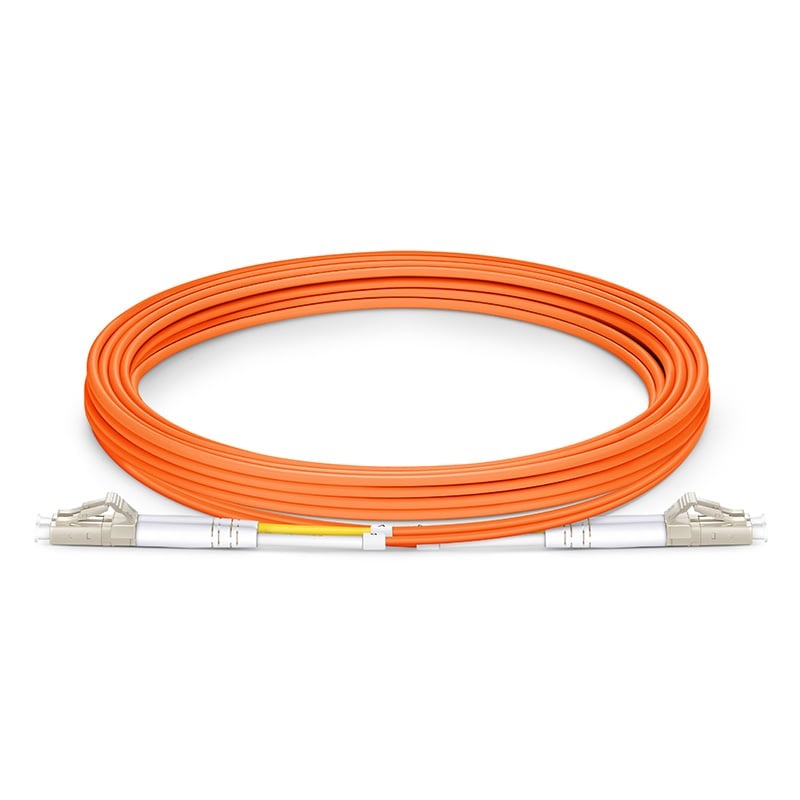
In scenarios such as long-distance backbone network transmission, campus main line wiring, weak current engineering communication, remote security networking and data center interconnection, single mode fiber patch cord serves as the core connecting device to realize low-loss, long-distance and highly stable optical signal transmission. Different from copper network cables that are susceptible to electromagnetic and radio frequency interference, optical fiber transmission has inherent insulation and anti-interference advantages. The scientific and perfect shielding and protection structure is the core guarantee for single mode fiber patch cord to achieve long-term stable transmission, resist physical damage and environmental erosion, and eliminate transmission faults. Most engineering selections only focus on the transmission distance and loss parameters of single-mode optical fibers, but ignore the decisive role of shielding structure in cable service life, transmission stability and environmental adaptability. From the perspective of shielding structure, an in-depth analysis of the layered protection design, shielding protection principle, differentiated structural advantages and scenario adaptability of single mode fiber patch cord can clearly reflect its engineering practicability and provide a scientific selection basis for various high-standard optical fiber wiring projects.
The basic shielding and protection system of single mode fiber patch cord is built with a multi-layer composite physical shielding structure, forming a full-dimensional protection closed loop consisting of fiber core, buffer layer, reinforcement layer and outer sheath from the inside to the outside, fundamentally avoiding various external damages and transmission interference. The innermost fiber core and cladding act as the optical signal transmission carrier, tightly wrapped with a special buffer protection layer. This flexible shielding structure can effectively buffer the mechanical stress caused by wiring bending and slight extrusion, prevent hidden damages such as micro-cracks and internal breakage of brittle quartz fiber cores, and avoid problems such as increased optical signal scattering loss and excessive transmission attenuation. Compared with multi-mode fiber patch cords, single-mode fiber cores are finer and more sensitive to deformation damage. The exclusive buffer shielding structure can accurately adapt to the transmission characteristics of single-mode fiber cores, maintain complete and stable optical path structure, and ensure ultra-low loss transmission effects at mainstream wavelengths of 1310nm and 1550nm.
The mechanical reinforced shielding layer is the core backbone of the single mode fiber patch cord shielding structure and the key design to improve the cable's tensile and compression resistance. High-quality conventional single mode fiber patch cords are built with aramid yarn high-strength reinforcement layers evenly arranged around the buffer layer to form a flexible mechanical shielding system. With high strength, high toughness, tensile resistance and bending resistance, aramid yarn can evenly disperse external forces caused by cable pulling, bending and dragging, avoid structural fracture caused by stress concentration, and greatly improve the tensile performance of the cable. For scenarios vulnerable to external pulling, extrusion such as outdoor wiring, cabinet wiring and pipeline wiring, some engineering-specific models are equipped with steel tape or steel wire armored shielding structures. The rigid metal shielding layer can resist heavy pressure, sharp object puncture, rodent bite and other physical damages, completely solving the pain points of ordinary fiber patch cords such as easy damage and fracture, building rigid mechanical shielding protection, and adapting to harsh engineering wiring environments.
As the outermost barrier of single mode fiber patch cord, the environmental protection shielding layer undertakes the core protection functions of moisture proof, flame retardant, aging resistance and corrosion resistance, determining the environmental adaptability and long-term service stability of the cable. Mainstream single mode fiber patch cords on the market adopt two shielding sheath materials: PVC and LSZH (Low Smoke Zero Halogen), adapting to the protection requirements of different scenarios. PVC sheath has excellent wear resistance, oil stain resistance and aging resistance shielding performance, which can effectively isolate the erosion of water vapor, dust and slight acid-base substances in the air, suitable for indoor conventional office and computer room weak current wiring scenarios. The LSZH low-smoke zero-halogen environmental protection shielding sheath features flame retardancy, high temperature resistance, UV resistance and low-smoke non-toxicity. It can not only shield the damage of high temperature, strong light and humid environment to the cable, but also suppress smoke diffusion and prevent the release of toxic gas in case of fire, adapting to high-standard fire safety wiring scenarios such as office buildings, subways, computer rooms and large buildings, providing all-round protection against various hidden environmental hazards.
Different from the electromagnetic shielding of copper cables, single mode fiber patch cord has inherent optoelectronic shielding advantages, and realizes zero electromagnetic interference transmission with structured protection design. Optical fibers transmit signals through light without conductive medium, current generation or electromagnetic wave radiation, which can naturally shield electromagnetic interference, radio frequency interference and crosstalk interference. It will not be affected by electromagnetic radiation from surrounding power cables, frequency conversion equipment and communication devices, completely avoiding common problems of copper cables such as signal distortion, data packet loss and network speed fluctuation. Combined with the dual protection of multi-layer physical shielding structure, it can not only isolate external physical damage and environmental erosion, but also eliminate the indirect impact of external electromagnetic clutter on optical signals, realizing purified and interference-free long-distance optical transmission. This is the core reason why single mode fiber patch cords are suitable for long-distance backbone networking and precision communication scenarios.
The standardized integrated molding shielding process further optimizes the shielding closed loop of single mode fiber patch cord and eliminates structural protection loopholes. High-quality single mode fiber patch cords adopt seamless injection molding at the ends, with tightly connected cable shielding layers and joints without shielding faults or protection gaps, which can effectively prevent water vapor and dust from invading the internal structure through joint gaps and avoid transmission faults caused by layered moisture and fiber core pollution. Meanwhile, the connector adopts high-precision ceramic ferrule with sealed protection structure to maintain accurate and stable optical path docking and shield transmission loss caused by docking deviation. The integrated shielding structure design with complete and uninterrupted protection enables the entire patch cord to form an integrated protection system from fiber core to outer sheath and from cable body to connector. No shielding failure or protection shedding will occur during long-term use, greatly reducing the probability of network operation and maintenance faults.
In conclusion, the multi-layer composite shielding structure of single mode fiber patch cord integrates three core capabilities: physical protection, environmental protection and electromagnetic shielding, serving as the core support for its long-distance, low-loss and high-stability transmission. From the inner buffer protection and middle-layer mechanical reinforcement shielding to the outer environmental protection and integrated end sealing design, the progressive shielding system perfectly adapts to various complex scenarios such as indoor conventional wiring, outdoor engineering, closed computer rooms and public buildings. With inherent optoelectronic shielding characteristics and precise physical shielding structure, single mode fiber patch cord completely breaks through the interference limitations of traditional copper cables, ensures the long-term stable operation of optical fiber communication systems, and becomes a preferred core cable for modern long-distance and high-precision network wiring.
-
-
-
-
-
-
-
-
-
-

Media Converter Network Patch Cord
Jun 27, 2026904
-
Network Cable Bandwidth Capacity
Jul 06, 2026895
-
UY2 Connector for Telephone Wire
Jul 08, 2026892
-
Wall-mounted Network Cabinet
Jun 30, 2026878
-
Four-Port Network Faceplate
Jul 03, 2026875