- Language
Data Center Network Patch Cord
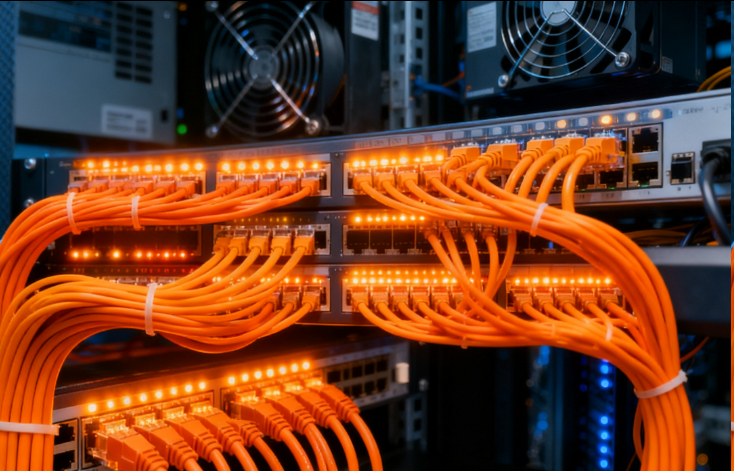
Data center network patch cords are designed for high-density, high-performance networking, where minimal latency and maximum bandwidth are essential. These cables support 10, 25, or even 40 Gigabit Ethernet (10GBase-T/25GBase-T/40GBase-T) over short distances, making them ideal for connecting servers, switches, and storage arrays. Typically classified as Cat6A, Cat7, or Cat8, they operate at frequencies up to 2000 MHz, enabling ultra-fast data transfer rates.
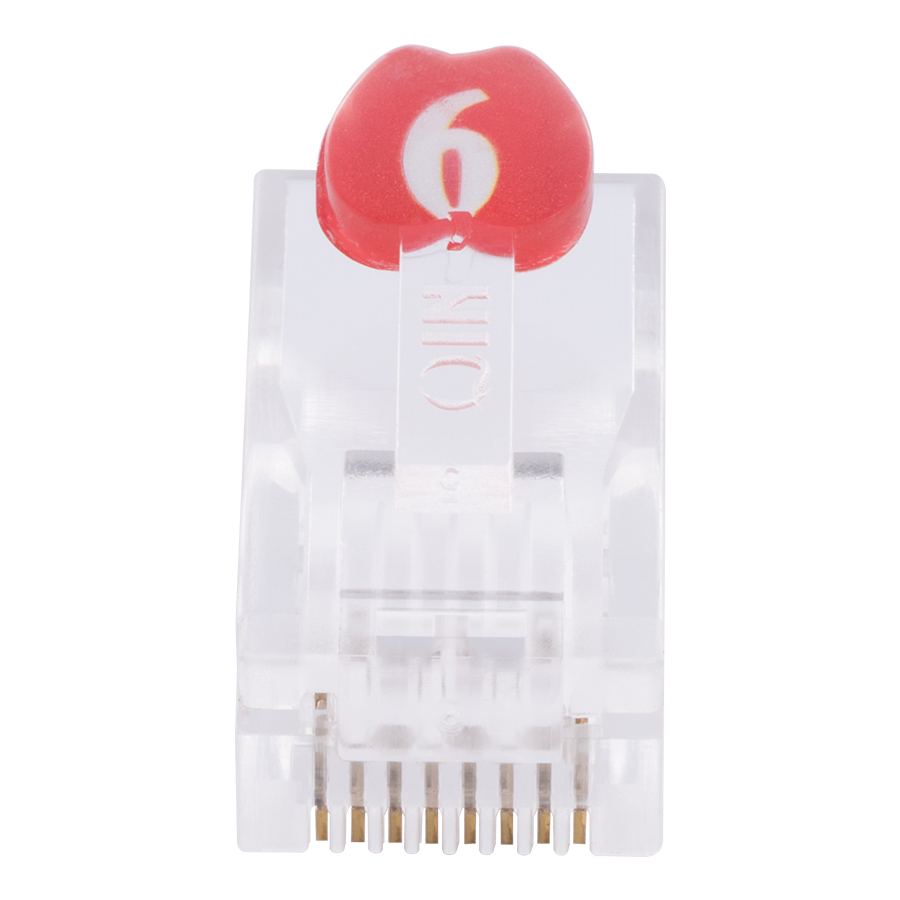
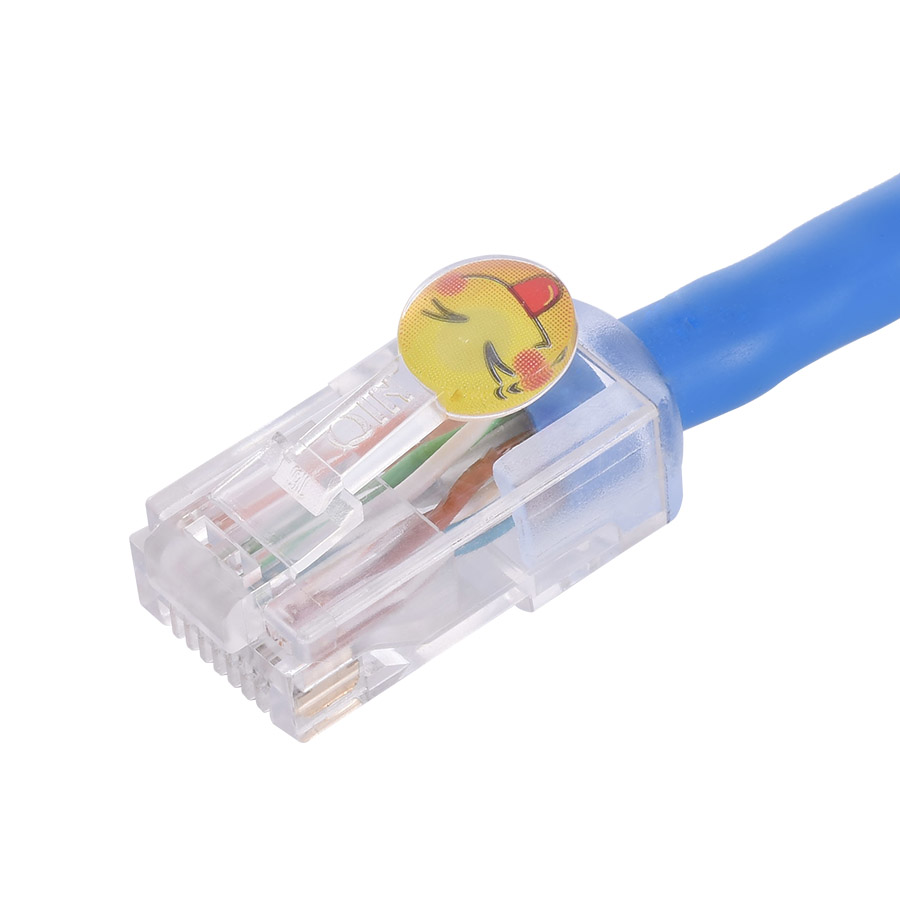
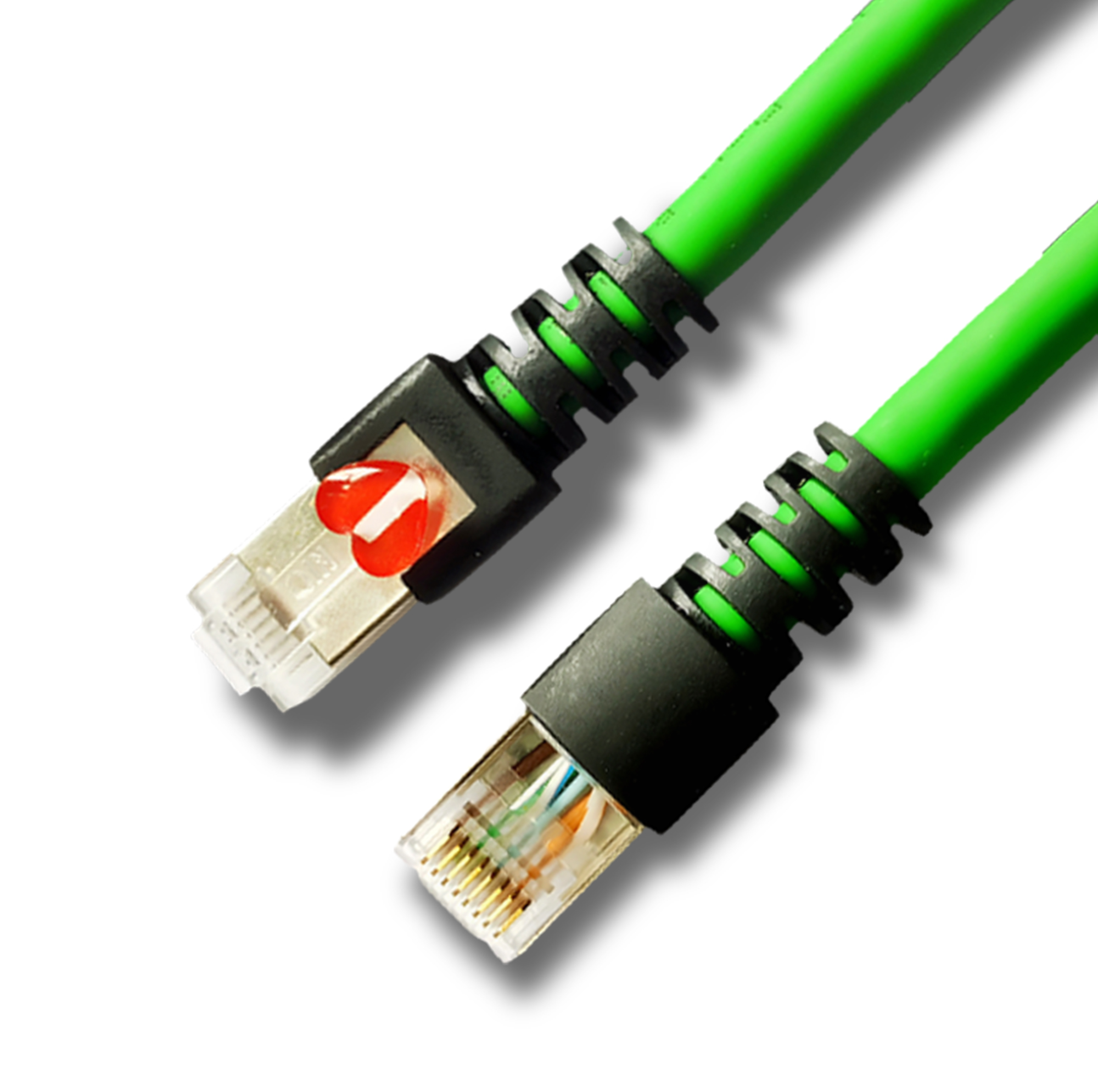
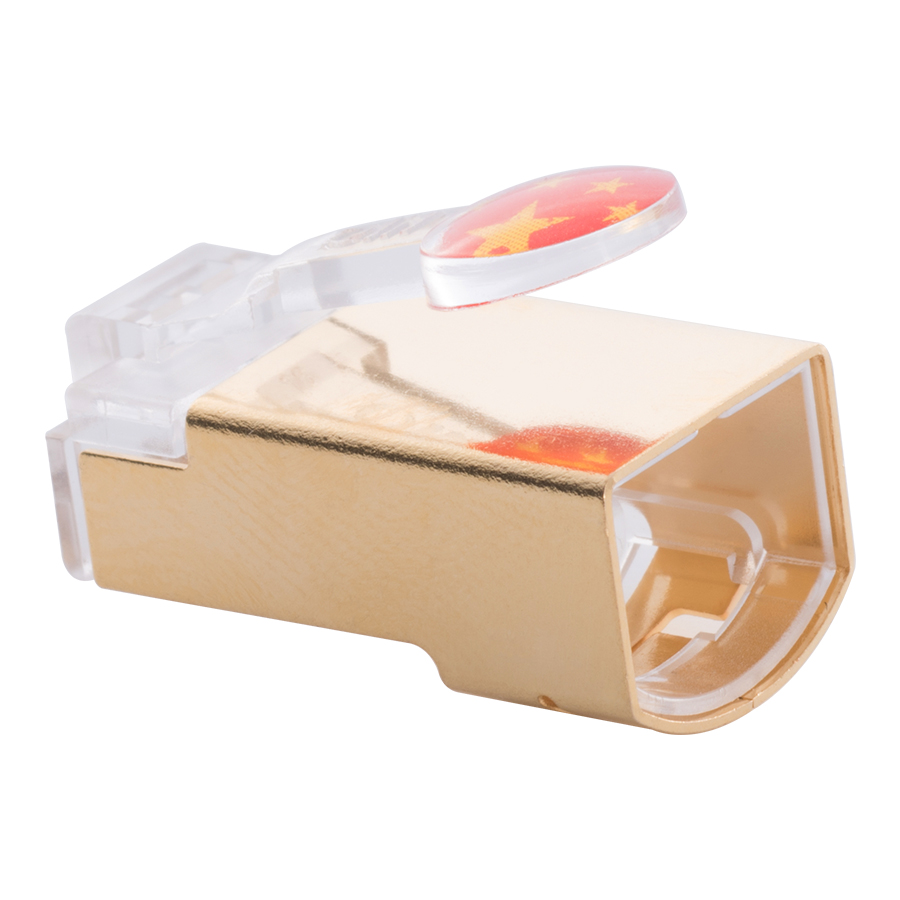
The construction of data center patch cords includes tightly twisted pairs and advanced shielding, such as individual pair shielding with an overall braided shield, to eliminate crosstalk and EMI. Many models feature slim-profile designs to save space in dense racks, while color-coded or labeled jackets simplify cable management. The connectors are often shielded RJ45 plugs with gold-plated contacts, ensuring a secure and corrosion-resistant connection.
When selecting patch cords for a data center, it’s important to consider future-proofing. Cat8 patch cords, for example, offer the highest bandwidth but are only necessary for 25GBase-T/40GBase-T applications. For most data centers, Cat6A provides sufficient performance at a lower cost. Proper installation techniques, such as maintaining cable separation and avoiding sharp bends, are also critical to maintaining signal integrity in high-speed networks.
Read recommendations:
LEG 77111 Mosaic Socket French Std 2P+E Automatic Terminals Surface White
-
-
-
-
-
-
-
-
-
-
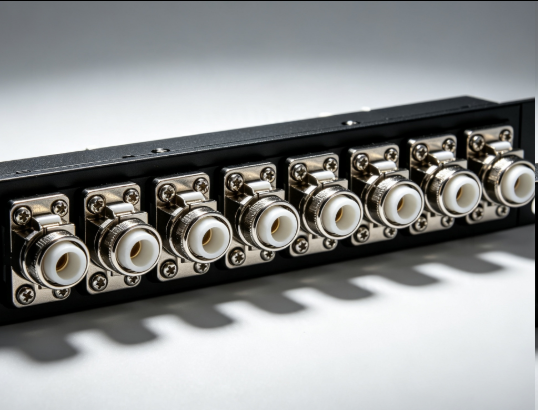
Flange Type Fixed Fiber Optic Adapter for Rack Panel
Sep 19, 2026956
-
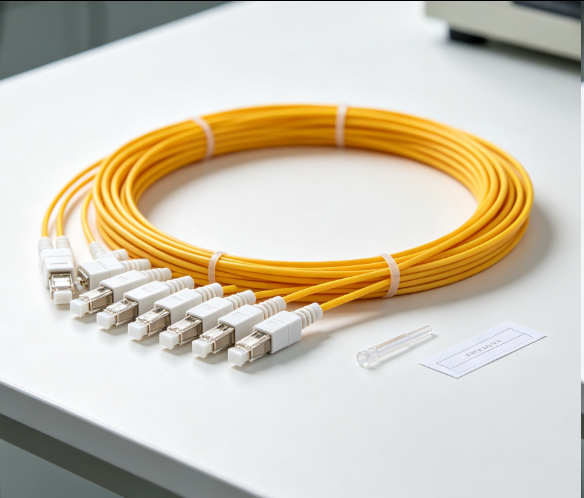
Fiber Pigtail 12 Cores SC UPC Single Mode
Sep 04, 2026930
-
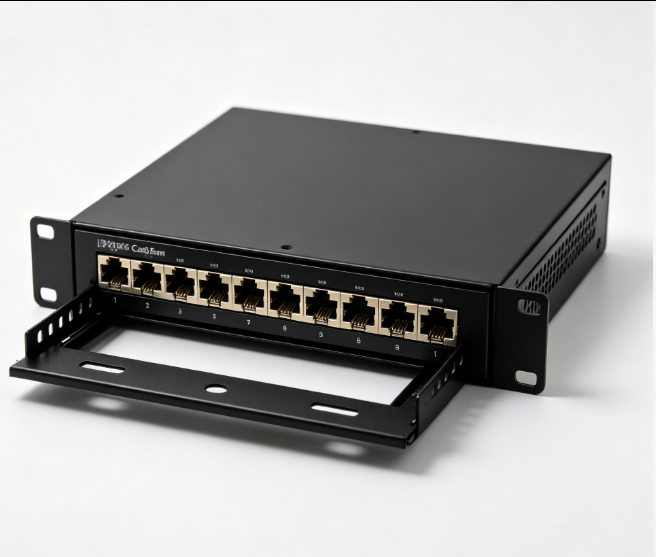
12 Port Cat6 Patch Panel Small Cabinet
Sep 12, 2026929
-
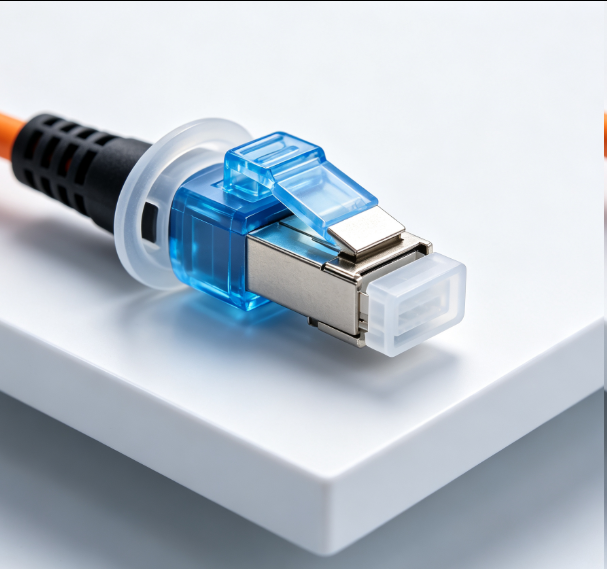
Dust Cap Equipped Fiber Patch Cable Protective
Sep 03, 2026929
-
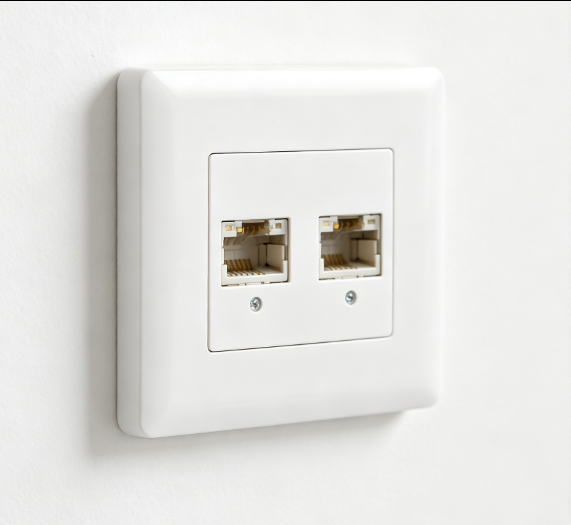
EU Standard Network Faceplate
Sep 11, 2026927