- Language
Indoor Optical Fiber Cables
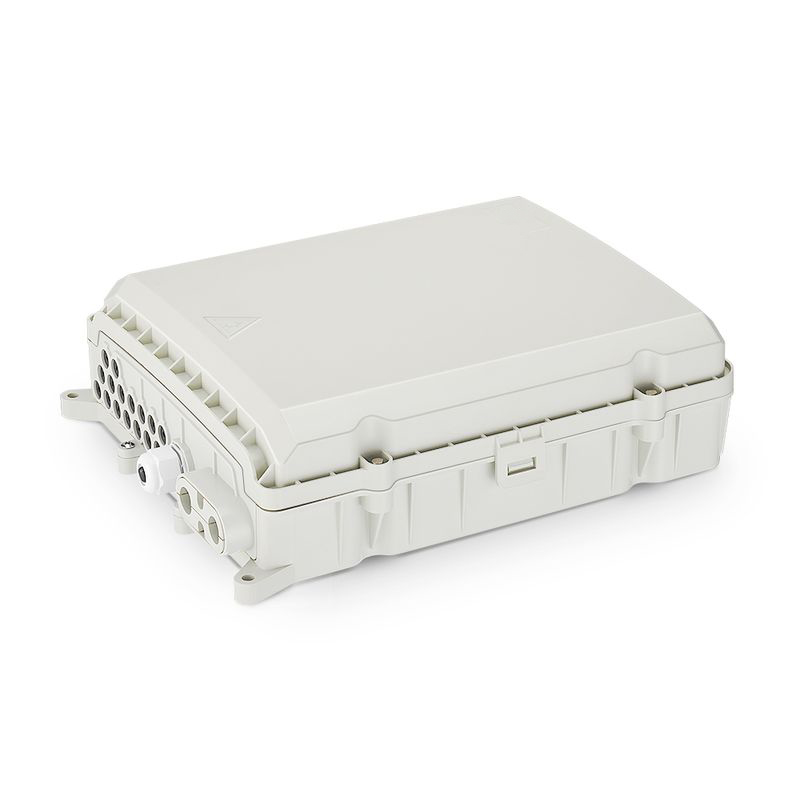
Indoor optical fiber cables are specifically designed for deployment within buildings, such as office complexes, data centers, residential apartments, and commercial facilities. Unlike outdoor cables, they prioritize flexibility, small size, and compatibility with indoor environments, where space is often limited and installation routes are complex—including walls, ceilings, conduits, and cable trays. These cables are engineered to withstand the milder conditions of indoor spaces, avoiding exposure to extreme temperatures, moisture, UV radiation, and physical damage from outdoor elements, while still ensuring reliable signal transmission for high-speed data, voice, and video services.
The structure of indoor optical fiber cables is tailored to their indoor use case. Typically, they consist of a core (where light signals travel), a cladding layer that reflects light back into the core to minimize signal loss, a buffer coating to protect the fiber, and an outer sheath made of flame-retardant materials such as PVC (Polyvinyl Chloride) or LSZH (Low Smoke Zero Halogen). LSZH sheaths are particularly preferred in public spaces and data centers because they emit minimal smoke and toxic fumes in the event of a fire, enhancing safety. Indoor cables may also include strength members, such as aramid yarns (Kevlar), to provide tensile strength during installation without adding excessive weight or bulk.
Common applications of indoor optical fiber cables include building-to-building connectivity within a campus, horizontal and vertical cabling in office buildings, and internal connections in data centers to link servers, switches, and other network equipment. They are also used in residential buildings to deliver fiber-to-the-home (FTTH) services, ensuring high-speed internet access for households. Due to their flexibility and small diameter, they can be easily routed through tight spaces, making them ideal for retrofitting existing buildings where installing larger cables would be impractical. Additionally, indoor cables are available in various configurations, such as simplex (single fiber) and duplex (two fibers), to meet different bandwidth and connectivity requirements.
Read recommendations:
LEG 77273 Multi-support Triple Socket Mosaic - 3 x 2P+E Automatic Terminals German Standard Red
EU standard 16A 20A smart plug
-
-
-
-
-
-
-
-
-
-
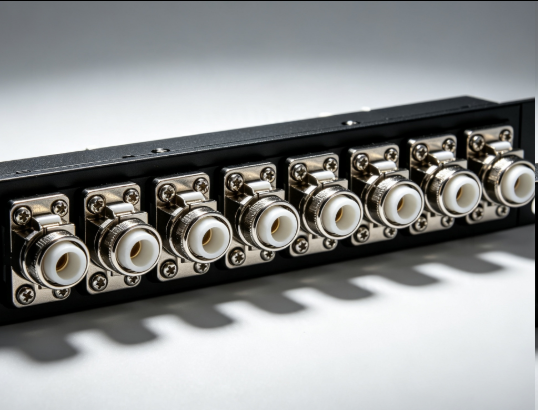
Flange Type Fixed Fiber Optic Adapter for Rack Panel
Sep 19, 2026955
-
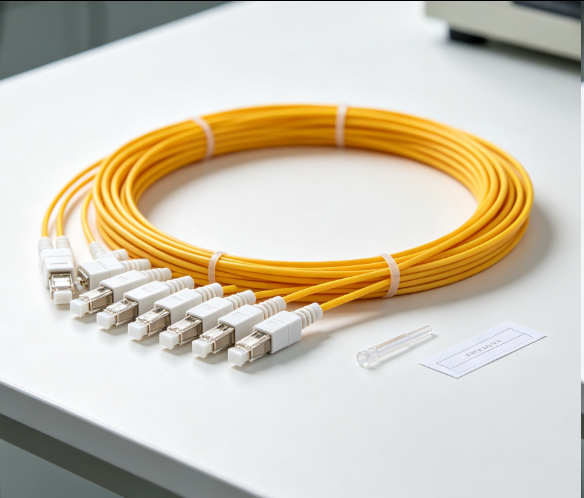
Fiber Pigtail 12 Cores SC UPC Single Mode
Sep 04, 2026930
-
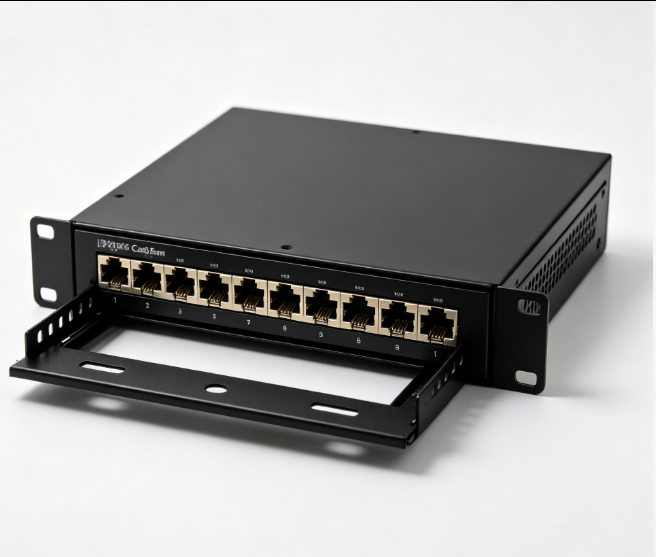
12 Port Cat6 Patch Panel Small Cabinet
Sep 12, 2026929
-
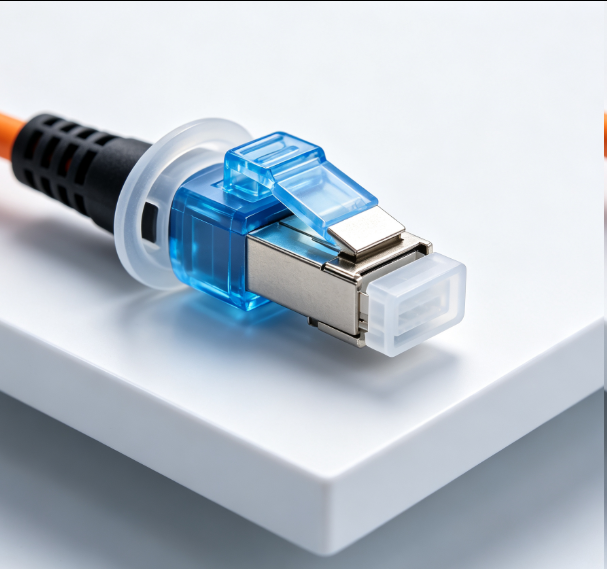
Dust Cap Equipped Fiber Patch Cable Protective
Sep 03, 2026929
-
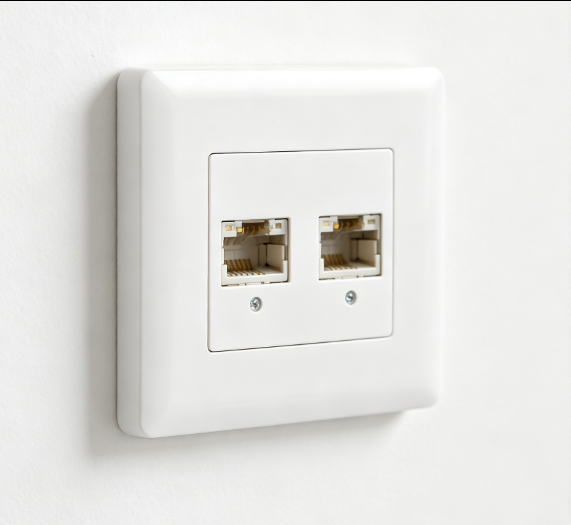
EU Standard Network Faceplate
Sep 11, 2026927