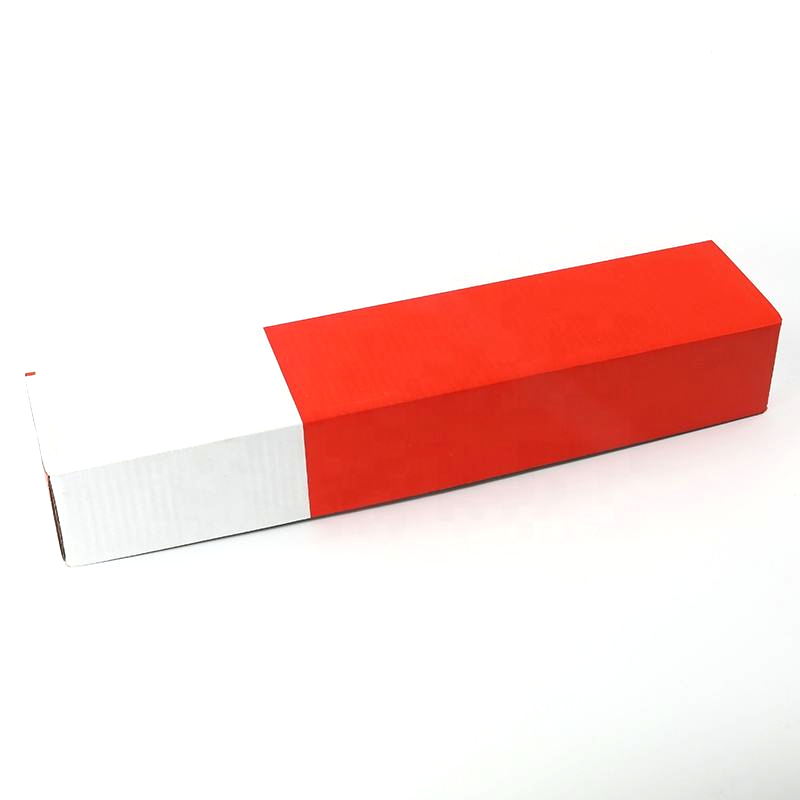
The Cat6E network cable, as an upgraded version of the standard Cat6 cable, builds upon the reliable performance of its predecessor while introducing enhancements that make it better suited for the growing demands of modern networks. While Cat6 cable already supports 10 Gbps data transfer speeds at 55 meters, Cat6E takes performance to the next level by improving signal integrity, reducing crosstalk and return loss, and extending the effective bandwidth for high-speed applications. This makes Ca
The Cat6E network cable, as an upgraded version of the standard Cat6 cable, builds upon the reliable performance of its predecessor while introducing enhancements that make it better suited for the growing demands of modern networks. While Cat6 cable already supports 10 Gbps data transfer speeds at 55 meters, Cat6E takes performance to the next level by improving signal integrity, reducing crosstalk and return loss, and extending the effective bandwidth for high-speed applications. This makes Ca
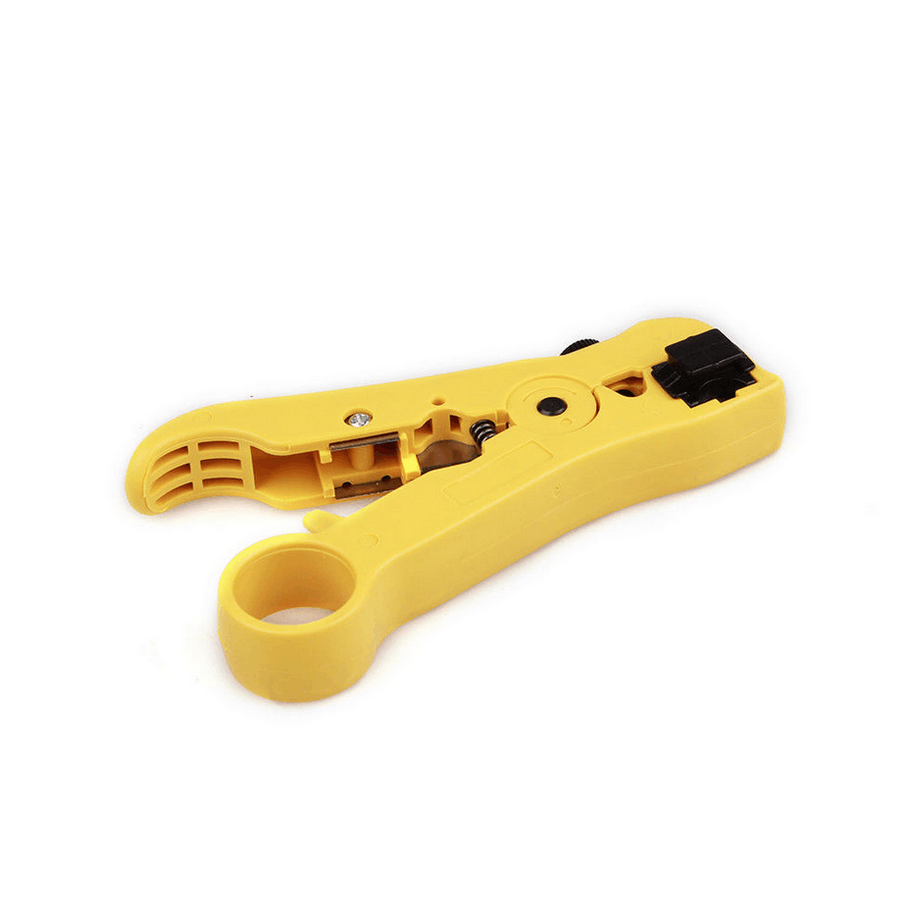
The High Speed Cat6 Cable 305m is specifically engineered to meet the rigorous demands of data center environments, where reliable, high-bandwidth connectivity is non-negotiable for supporting mission-critical operations. Compliant with ANSI/TIA-568-C.2 and ISO/IEC 11801 standards, this cable delivers exceptional performance with a bandwidth capacity of up to 250 MHz, enabling data transfer speeds of up to 10 Gigabit Ethernet (10GBASE-T) at distances of up to 55 meters—more than sufficient for t
The High Speed Cat6 Cable 305m is specifically engineered to meet the rigorous demands of data center environments, where reliable, high-bandwidth connectivity is non-negotiable for supporting mission-critical operations. Compliant with ANSI/TIA-568-C.2 and ISO/IEC 11801 standards, this cable delivers exceptional performance with a bandwidth capacity of up to 250 MHz, enabling data transfer speeds of up to 10 Gigabit Ethernet (10GBASE-T) at distances of up to 55 meters—more than sufficient for t
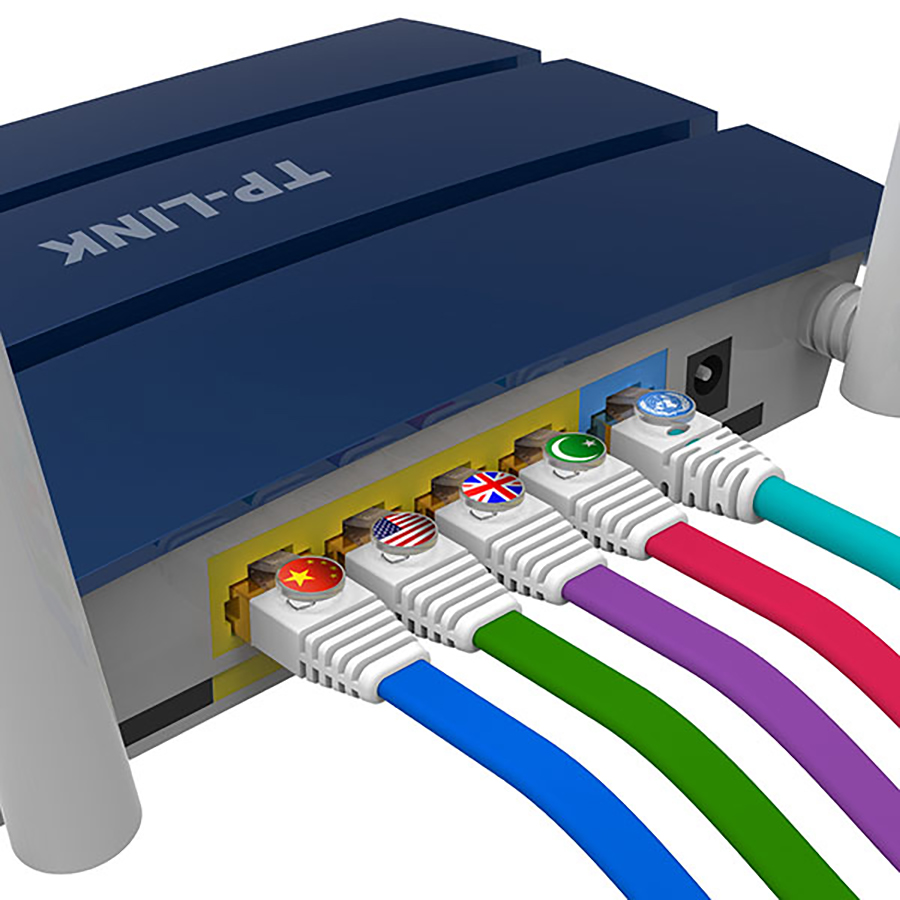
The Cat6 UTP (Unshielded Twisted Pair) Cable with 24AWG solid copper conductors is the ideal choice for structured cabling systems in commercial buildings, office spaces, educational institutions, and residential complexes, where a balance of performance, reliability, and cost-effectiveness is essential. As a core component of structured cabling, this cable is designed to support a wide range of applications, including voice, data, and video transmission, making it versatile enough to meet the d
The Cat6 UTP (Unshielded Twisted Pair) Cable with 24AWG solid copper conductors is the ideal choice for structured cabling systems in commercial buildings, office spaces, educational institutions, and residential complexes, where a balance of performance, reliability, and cost-effectiveness is essential. As a core component of structured cabling, this cable is designed to support a wide range of applications, including voice, data, and video transmission, making it versatile enough to meet the d
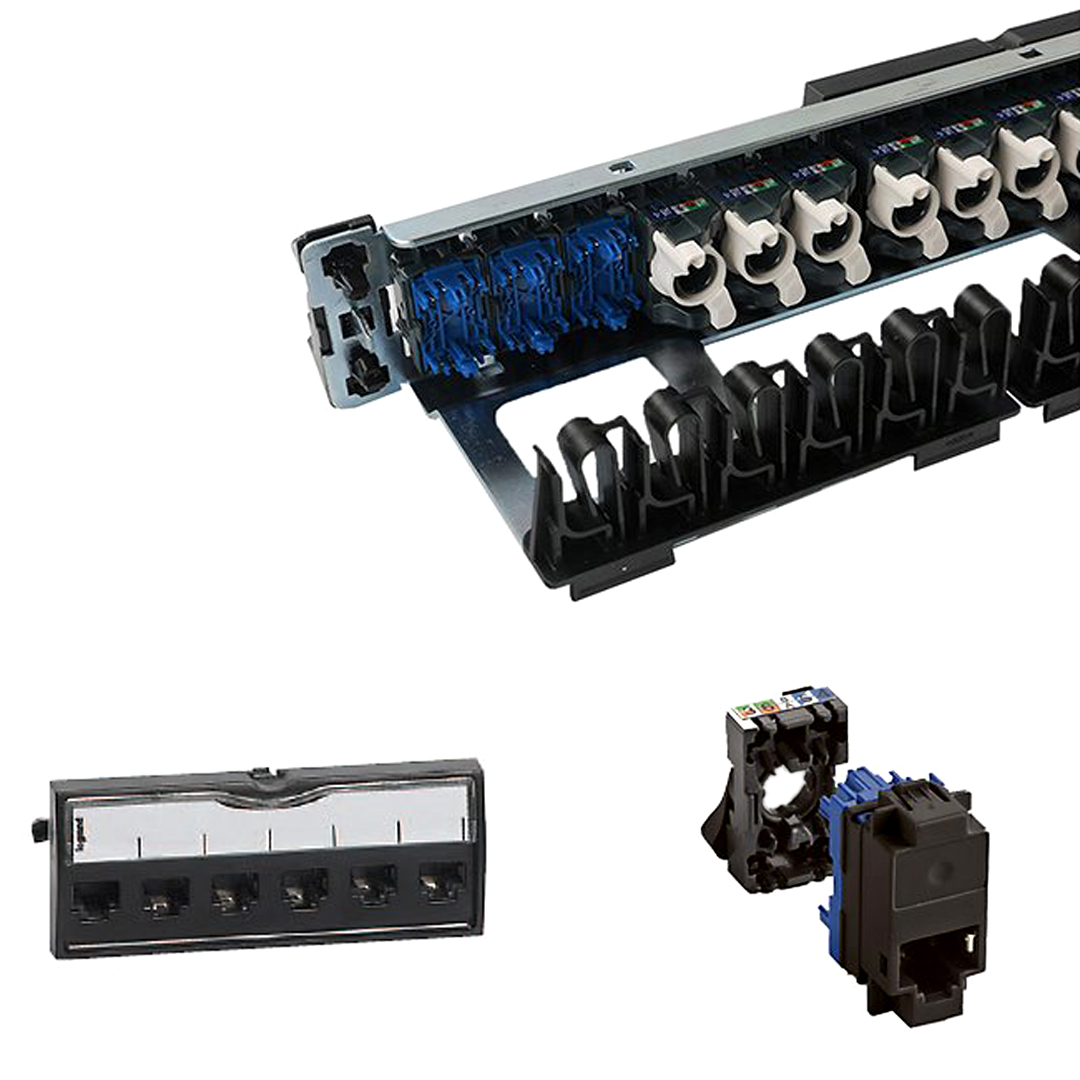
The Cat6 FTP (Foil Twisted Pair) Cable is a shielded solution specifically designed to combat the harsh electromagnetic interference (EMI) and radio frequency interference (RFI) that are prevalent in industrial environments, such as manufacturing plants, power stations, and industrial control systems. Unlike unshielded UTP cables, FTP cables feature a thin metallic foil (typically aluminum or copper) that wraps around the four twisted pairs of conductors, providing a barrier that blocks external
The Cat6 FTP (Foil Twisted Pair) Cable is a shielded solution specifically designed to combat the harsh electromagnetic interference (EMI) and radio frequency interference (RFI) that are prevalent in industrial environments, such as manufacturing plants, power stations, and industrial control systems. Unlike unshielded UTP cables, FTP cables feature a thin metallic foil (typically aluminum or copper) that wraps around the four twisted pairs of conductors, providing a barrier that blocks external
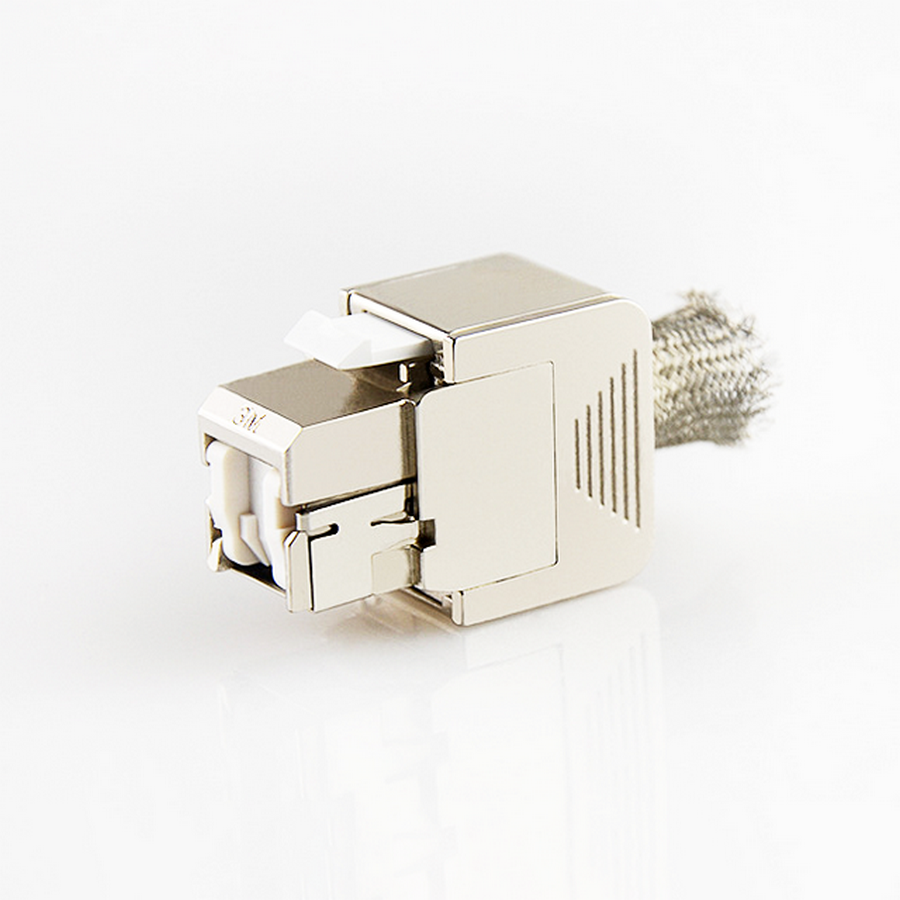
The Cat6 SFTP (Screened Foil Twisted Pair) Outdoor Cable is a heavy-duty, waterproof solution designed for direct burial and outdoor applications, where exposure to moisture, extreme temperatures, UV radiation, and physical damage is a constant concern. SFTP cables feature both a foil shield around the four twisted pairs and an additional braided screen (typically tinned copper) around the foil, providing double shielding that offers superior protection against EMI/RFI compared to standard FTP o
The Cat6 SFTP (Screened Foil Twisted Pair) Outdoor Cable is a heavy-duty, waterproof solution designed for direct burial and outdoor applications, where exposure to moisture, extreme temperatures, UV radiation, and physical damage is a constant concern. SFTP cables feature both a foil shield around the four twisted pairs and an additional braided screen (typically tinned copper) around the foil, providing double shielding that offers superior protection against EMI/RFI compared to standard FTP o
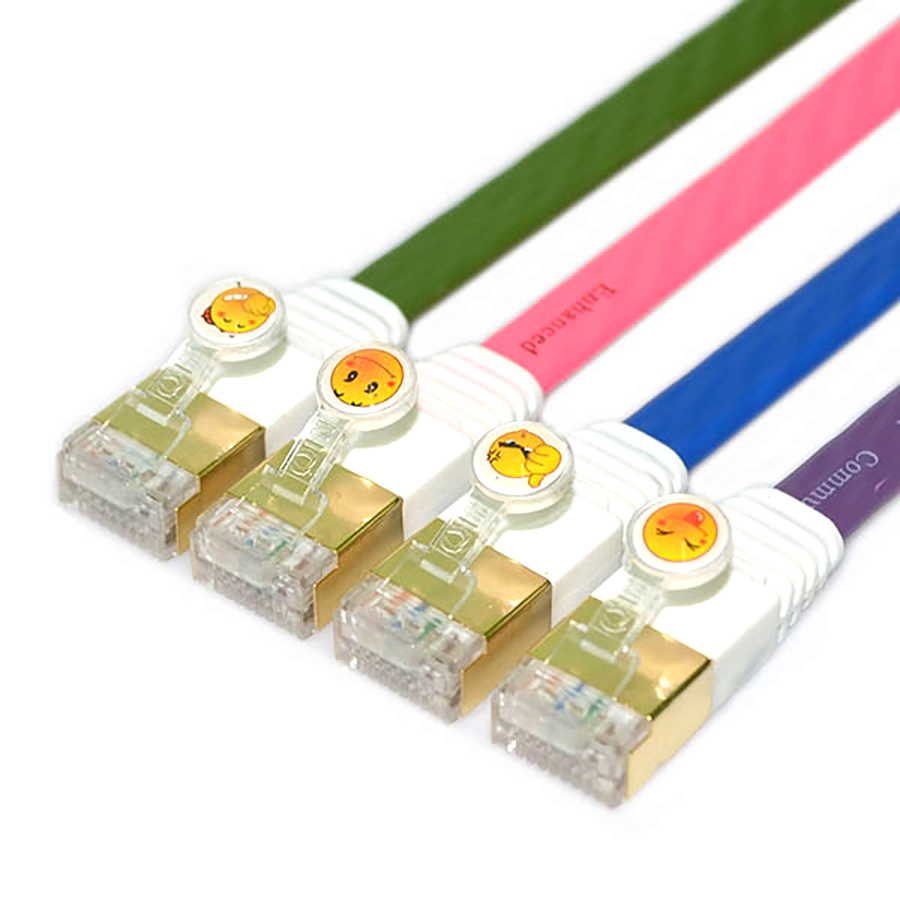
Plenum-rated Cat6 network cables are engineered specifically for safe and reliable installation in plenum spaces—critical areas within commercial and residential buildings that facilitate air circulation for heating, ventilation, and air conditioning (HVAC) systems, such as ceiling cavities and ductwork. Unlike standard cables, plenum-rated options are constructed with low-smoke, flame-retardant (LSFR) jackets, typically made from fluoropolymer materials like FEP or PTFE. This specialized jacket
Plenum-rated Cat6 network cables are engineered specifically for safe and reliable installation in plenum spaces—critical areas within commercial and residential buildings that facilitate air circulation for heating, ventilation, and air conditioning (HVAC) systems, such as ceiling cavities and ductwork. Unlike standard cables, plenum-rated options are constructed with low-smoke, flame-retardant (LSFR) jackets, typically made from fluoropolymer materials like FEP or PTFE. This specialized jacket
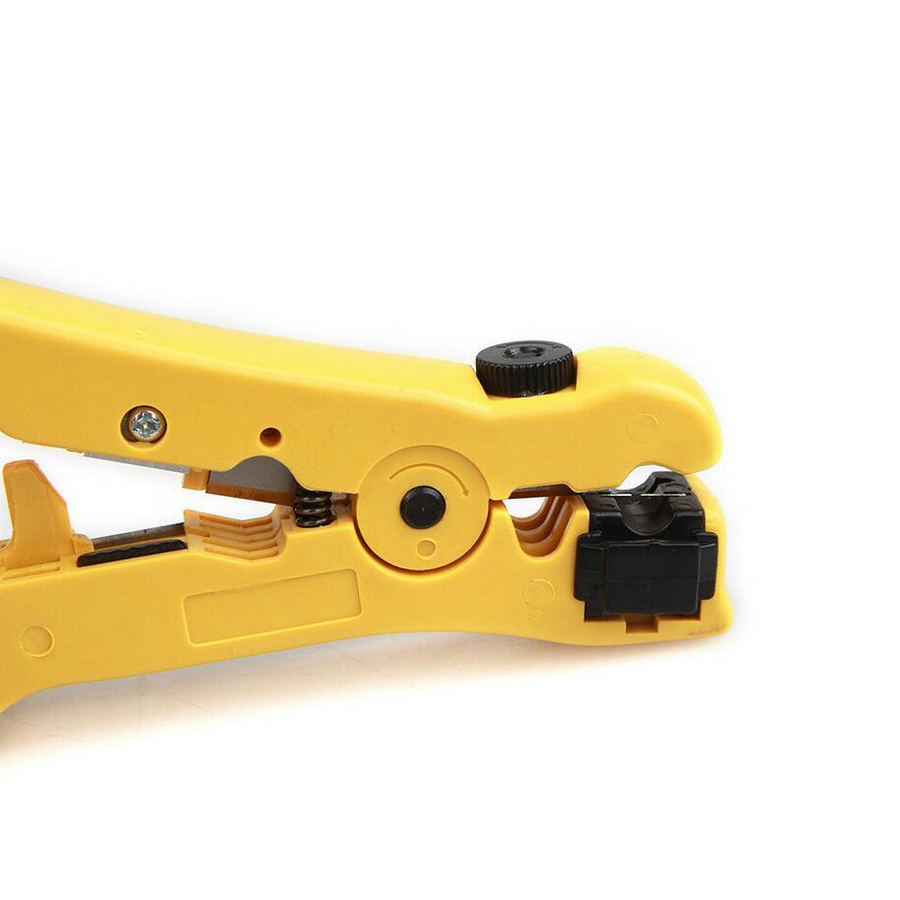
The 305m bulk pack of Cat6 cable is a cost-effective and practical solution tailored to the demands of large-scale commercial projects, including office complexes, retail centers, hotels, and industrial facilities. Bulk packaging eliminates the inefficiencies of smaller cable spools, reducing the number of connections needed and minimizing waste—critical factors for projects that require extensive cabling runs across multiple rooms, floors, or buildings. Each 305m (1000ft) box is designed for ea
The 305m bulk pack of Cat6 cable is a cost-effective and practical solution tailored to the demands of large-scale commercial projects, including office complexes, retail centers, hotels, and industrial facilities. Bulk packaging eliminates the inefficiencies of smaller cable spools, reducing the number of connections needed and minimizing waste—critical factors for projects that require extensive cabling runs across multiple rooms, floors, or buildings. Each 305m (1000ft) box is designed for ea
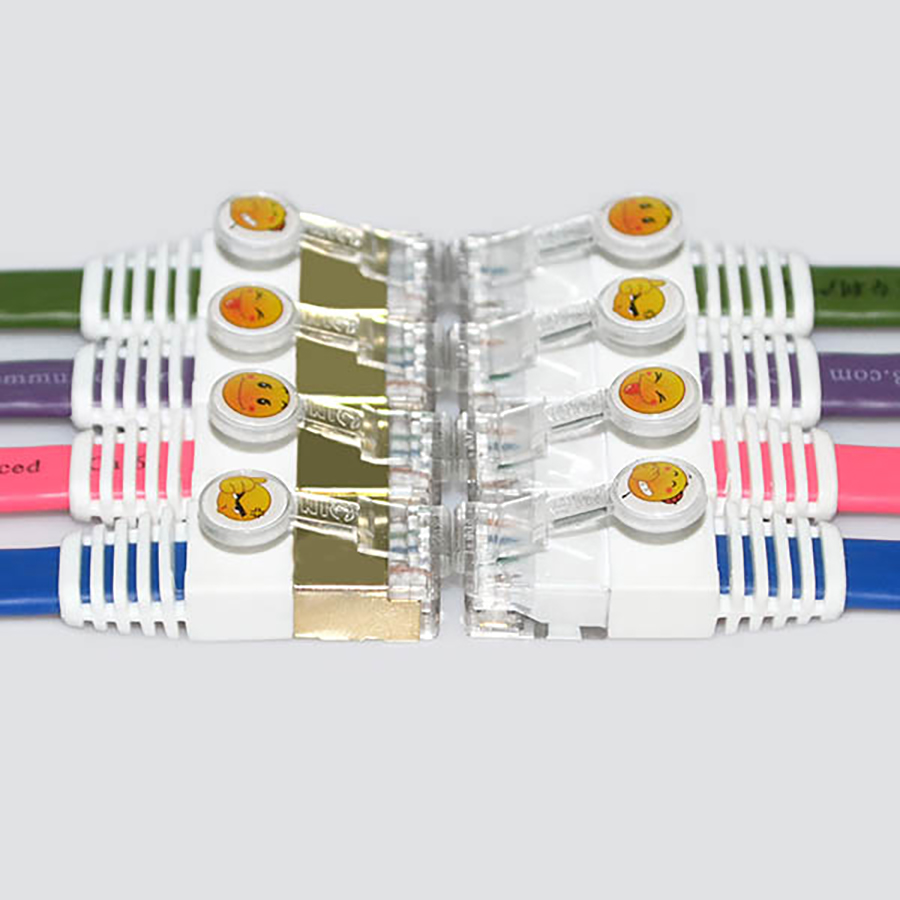
UV-resistant Cat6 outdoor cable is specifically engineered to withstand the harsh conditions of outdoor environments, making it the ideal choice for surveillance systems that require reliable data transmission in exposed areas such as building exteriors, parking lots, campuses, and remote monitoring sites. The cable features a rugged, weatherproof jacket—typically made from UV-stabilized PVC, PE, or LSZH—that provides exceptional resistance to ultraviolet (UV) radiation, extreme temperatures (ra
UV-resistant Cat6 outdoor cable is specifically engineered to withstand the harsh conditions of outdoor environments, making it the ideal choice for surveillance systems that require reliable data transmission in exposed areas such as building exteriors, parking lots, campuses, and remote monitoring sites. The cable features a rugged, weatherproof jacket—typically made from UV-stabilized PVC, PE, or LSZH—that provides exceptional resistance to ultraviolet (UV) radiation, extreme temperatures (ra
Cat6 SFTP (Shielded Foil Twisted Pair) cable is a high-performance networking solution specifically optimized for PoE (Power over Ethernet) camera systems, combining superior signal integrity with reliable power delivery to support the demands of modern surveillance applications. SFTP cables feature a 4-pair twisted copper conductor design, with each pair individually shielded by aluminum foil and an overall braided shield (typically made from tinned copper). This dual-shielding configuration pr
Cat6 SFTP (Shielded Foil Twisted Pair) cable is a high-performance networking solution specifically optimized for PoE (Power over Ethernet) camera systems, combining superior signal integrity with reliable power delivery to support the demands of modern surveillance applications. SFTP cables feature a 4-pair twisted copper conductor design, with each pair individually shielded by aluminum foil and an overall braided shield (typically made from tinned copper). This dual-shielding configuration pr