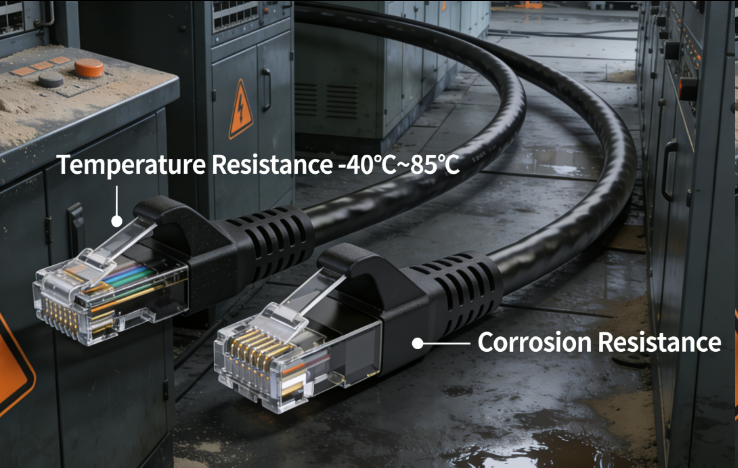
Industrial environments, such as oil refineries, mining sites, and chemical plants, present unique challenges for network patch cords, including dust, moisture, chemical exposure, and physical impact. Network patch cords designed for these environments are specifically engineered to withstand these harsh conditions, ensuring reliable data transmission in critical applications such as process control, asset monitoring, and safety systems. Their robust construction is the key to their ability
Industrial environments, such as oil refineries, mining sites, and chemical plants, present unique challenges for network patch cords, including dust, moisture, chemical exposure, and physical impact. Network patch cords designed for these environments are specifically engineered to withstand these harsh conditions, ensuring reliable data transmission in critical applications such as process control, asset monitoring, and safety systems. Their robust construction is the key to their ability
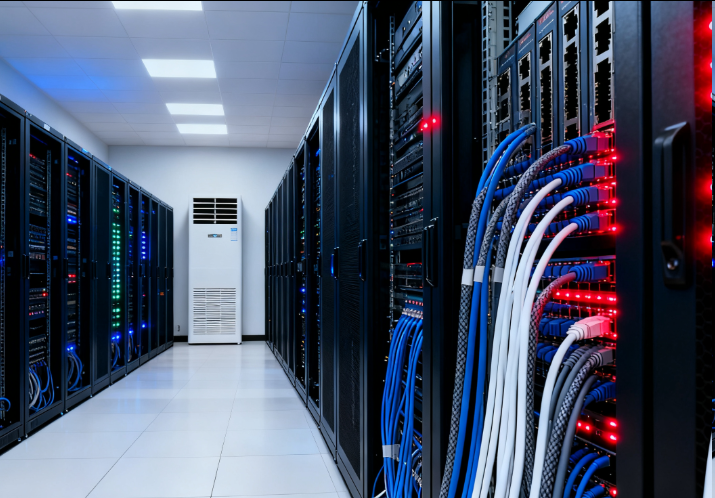
Network patch cords in computer rooms are critical for establishing reliable connections between servers, switches, and networking devices. These cables must balance performance, durability, and flexibility to meet the demands of dynamic IT environments. Typically constructed with twisted-pair copper conductors, they reduce electromagnetic interference (EMI) and crosstalk, ensuring stable data transmission. Computer room patch cords often adhere to Cat5e, Cat6, or Cat6A standards, supporting
Network patch cords in computer rooms are critical for establishing reliable connections between servers, switches, and networking devices. These cables must balance performance, durability, and flexibility to meet the demands of dynamic IT environments. Typically constructed with twisted-pair copper conductors, they reduce electromagnetic interference (EMI) and crosstalk, ensuring stable data transmission. Computer room patch cords often adhere to Cat5e, Cat6, or Cat6A standards, supporting
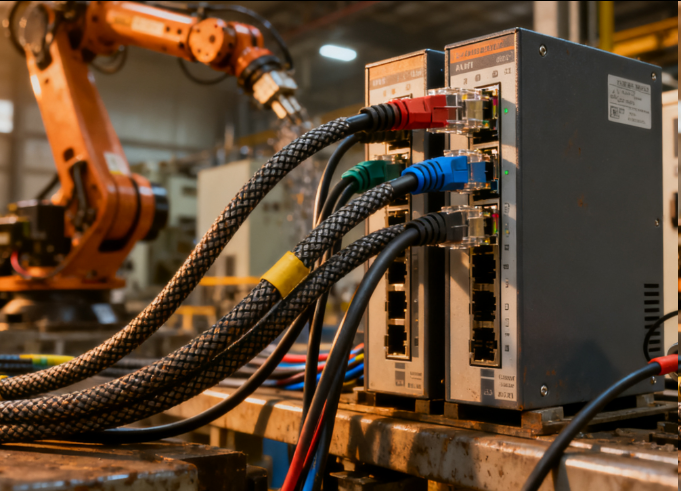
Industrial Ethernet network patch cords are engineered to withstand harsh environments, including extreme temperatures, vibration, and exposure to chemicals or moisture. These cables are commonly used in manufacturing plants, oil refineries, and transportation systems, where traditional networking components would fail. Constructed with ruggedized jackets made of materials like polyurethane (PUR) or thermoplastic elastomer (TPE), they resist abrasion, UV radiation, and mechanical stress. Th
Industrial Ethernet network patch cords are engineered to withstand harsh environments, including extreme temperatures, vibration, and exposure to chemicals or moisture. These cables are commonly used in manufacturing plants, oil refineries, and transportation systems, where traditional networking components would fail. Constructed with ruggedized jackets made of materials like polyurethane (PUR) or thermoplastic elastomer (TPE), they resist abrasion, UV radiation, and mechanical stress. Th
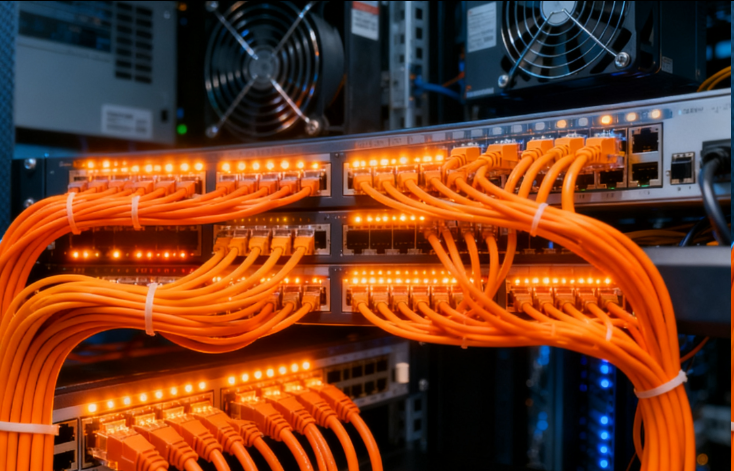
Data center network patch cords are designed for high-density, high-performance networking, where minimal latency and maximum bandwidth are essential. These cables support 10, 25, or even 40 Gigabit Ethernet (10GBase-T/25GBase-T/40GBase-T) over short distances, making them ideal for connecting servers, switches, and storage arrays. Typically classified as Cat6A, Cat7, or Cat8, they operate at frequencies up to 2000 MHz, enabling ultra-fast data transfer rates. The construction of data cente
Data center network patch cords are designed for high-density, high-performance networking, where minimal latency and maximum bandwidth are essential. These cables support 10, 25, or even 40 Gigabit Ethernet (10GBase-T/25GBase-T/40GBase-T) over short distances, making them ideal for connecting servers, switches, and storage arrays. Typically classified as Cat6A, Cat7, or Cat8, they operate at frequencies up to 2000 MHz, enabling ultra-fast data transfer rates. The construction of data cente
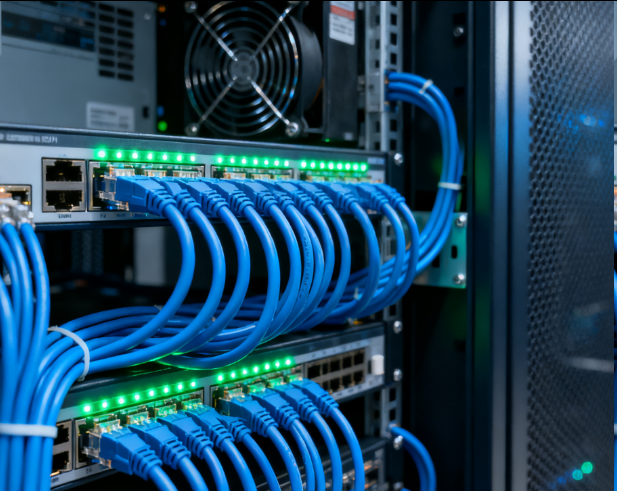
Server room network patch cords are optimized for reliability and ease of maintenance in environments housing critical IT infrastructure. These cables connect servers, switches, and patch panels, ensuring uninterrupted data flow. Typically adhering to Cat6 or Cat6A standards, they support frequencies up to 500 MHz and enable 10 Gigabit Ethernet (10GBase-T) over distances of up to 100 meters. Their construction includes twisted-pair copper conductors to reduce EMI and crosstalk, ensuring stab
Server room network patch cords are optimized for reliability and ease of maintenance in environments housing critical IT infrastructure. These cables connect servers, switches, and patch panels, ensuring uninterrupted data flow. Typically adhering to Cat6 or Cat6A standards, they support frequencies up to 500 MHz and enable 10 Gigabit Ethernet (10GBase-T) over distances of up to 100 meters. Their construction includes twisted-pair copper conductors to reduce EMI and crosstalk, ensuring stab
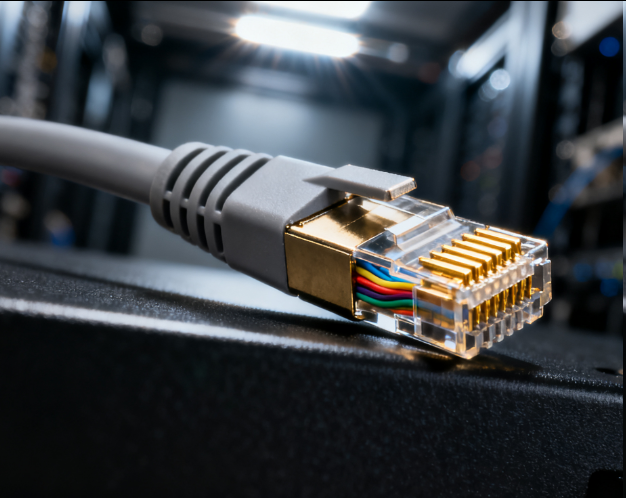
Mid-bandwidth network patch cords are designed to balance performance and cost, making them ideal for small to medium-sized networks where high-speed data transfer is necessary but not at the expense of budget. Typically falling under categories like Cat5e or Cat6, these cables support frequencies up to 100–250 MHz, enabling reliable 1 Gigabit Ethernet (1GBase-T) and, in some cases, 2.5 Gigabit Ethernet (2.5GBase-T) over distances of up to 100 meters. Their versatility makes them suitable fo
Mid-bandwidth network patch cords are designed to balance performance and cost, making them ideal for small to medium-sized networks where high-speed data transfer is necessary but not at the expense of budget. Typically falling under categories like Cat5e or Cat6, these cables support frequencies up to 100–250 MHz, enabling reliable 1 Gigabit Ethernet (1GBase-T) and, in some cases, 2.5 Gigabit Ethernet (2.5GBase-T) over distances of up to 100 meters. Their versatility makes them suitable fo
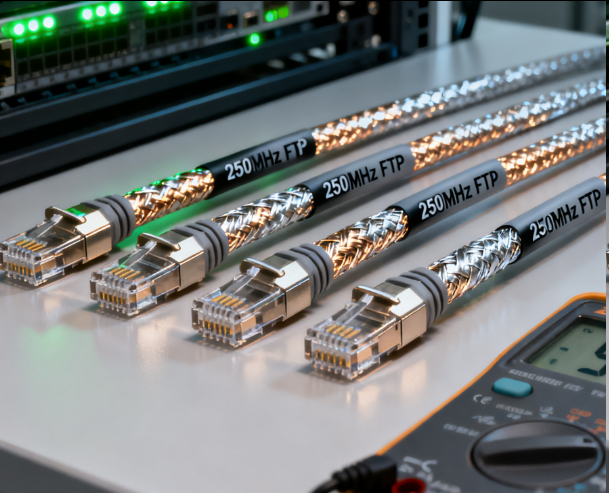
A 250MHz FTP (Foiled Twisted Pair) network patch cord is engineered for environments where moderate bandwidth and enhanced shielding are required. Operating at frequencies up to 250 MHz, these cables support 2.5 Gigabit Ethernet (2.5GBase-T) and are backward compatible with 1GBase-T networks. The "FTP" designation indicates that each twisted pair is wrapped in a metal foil shield, which significantly reduces crosstalk and EMI, making them ideal for industrial settings, server rooms, or areas
A 250MHz FTP (Foiled Twisted Pair) network patch cord is engineered for environments where moderate bandwidth and enhanced shielding are required. Operating at frequencies up to 250 MHz, these cables support 2.5 Gigabit Ethernet (2.5GBase-T) and are backward compatible with 1GBase-T networks. The "FTP" designation indicates that each twisted pair is wrapped in a metal foil shield, which significantly reduces crosstalk and EMI, making them ideal for industrial settings, server rooms, or areas
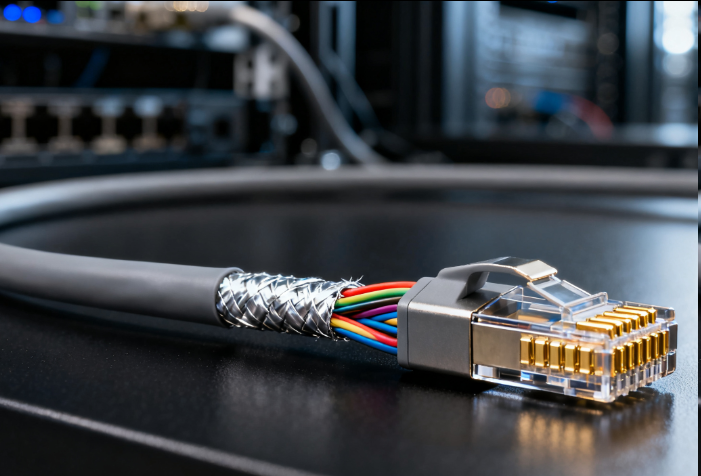
A 500MHz STP (Shielded Twisted Pair) network patch cord is designed for high-performance networking, supporting frequencies up to 500 MHz and enabling 10 Gigabit Ethernet (10GBase-T) over distances of up to 100 meters. The "STP" designation refers to the overall braided shield that surrounds the twisted pairs, providing robust protection against EMI and crosstalk. This makes them ideal for data centers, financial institutions, and enterprise networks where uninterrupted data flow is critical
A 500MHz STP (Shielded Twisted Pair) network patch cord is designed for high-performance networking, supporting frequencies up to 500 MHz and enabling 10 Gigabit Ethernet (10GBase-T) over distances of up to 100 meters. The "STP" designation refers to the overall braided shield that surrounds the twisted pairs, providing robust protection against EMI and crosstalk. This makes them ideal for data centers, financial institutions, and enterprise networks where uninterrupted data flow is critical

A wide-bandwidth network patch cord is engineered to support the highest frequencies and data rates available in copper cabling, making it ideal for cutting-edge networking applications. These cables, typically classified as Cat8 or higher, operate at frequencies up to 2000 MHz and enable 25 or 40 Gigabit Ethernet (25GBase-T/40GBase-T) over short distances (up to 30 meters). Their ultra-high performance makes them suitable for data centers, high-performance computing, and financial trading f
A wide-bandwidth network patch cord is engineered to support the highest frequencies and data rates available in copper cabling, making it ideal for cutting-edge networking applications. These cables, typically classified as Cat8 or higher, operate at frequencies up to 2000 MHz and enable 25 or 40 Gigabit Ethernet (25GBase-T/40GBase-T) over short distances (up to 30 meters). Their ultra-high performance makes them suitable for data centers, high-performance computing, and financial trading f